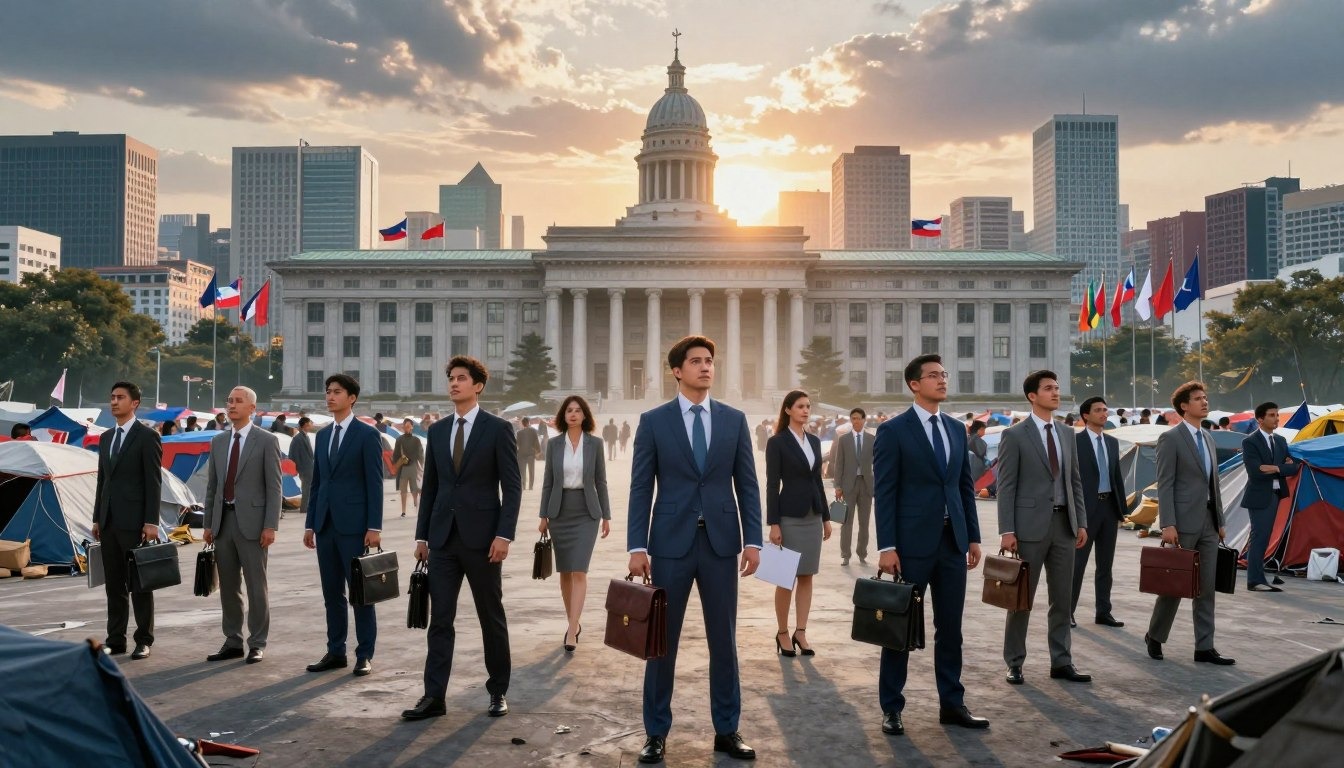
Rising Migration Pressures Challenge Governments Worldwide
Today, people moving across borders is at an all-time high. This global movement puts a big strain on countries’ systems and services. It’s clear that rising migration pressures challenge governments worldwide and need urgent action.
We’re looking into how this issue shapes today’s world politics. We want to give a clear view of what’s driving these changes. By studying these trends, we can see the big challenges for today’s leaders.
Migration
Countries are trying to meet their duty to help people while keeping their own safety. This is a tough job that needs careful navigation of laws and policies. We think it’s key to understand these issues for a stable future and managing migration.
Key Takeaways
- Global population movement is currently placing immense strain on national infrastructure.
- Governments are struggling to balance humanitarian duties with domestic security needs.
- Geopolitical discourse is increasingly defined by the challenges of border management.
- Understanding the root causes of movement is vital for effective policy development.
- Nations must find sustainable ways to manage the complexities of modern human migration.
The Current State of Global Human Mobility
The way people move around the world is changing a lot. It’s not just about looking for better jobs anymore. Modern mobility is now shaped by many factors like social, political, and environmental issues. We need a new way to think about it.
Shifting Patterns in International Displacement
People used to move for work. Now, displacement often happens because of instability. This change makes old ways of managing borders less effective.
Our research shows that current policies don’t work well. They see these changes as short-term problems, not long-term shifts. We need to focus on humanitarian urgency and long-term planning. This way, governments can handle 21st-century migration better.
The Role of Climate Change in Forced Relocation
Environmental damage is a big reason for forced relocation worldwide. Extreme weather destroys homes and jobs, forcing people to move. This makes social problems worse in already fragile areas.
We think climate change will keep making people move. It’s important to see this as a big change, not just random events. Working together globally is the only way to deal with these issues while keeping human dignity.
Rising Migration Pressures Challenge Governments Worldwide
Rising migration pressures challenge governments worldwide as they try to balance helping people with keeping their country safe. The world is seeing a lot of people moving, making it hard for governments to keep up. The number of people seeking safety is pushing the limits of current laws.
Analyzing the Surge in Asylum Applications
The recent increase in asylum requests is causing big problems in courts and government offices. These delays are not just numbers; they show a big challenge to the rule of law. When international laws meet local politics, it often leads to a standstill.
Many places are finding it hard to deal with these applications quickly. This wait puts applicants in a tough spot, making it hard for them to fit in and for border control to work. Efficient adjudication is the main problem for countries trying to keep things in order.
Regional Disparities in Migration Management
Migration management changes a lot depending on where you are. Some places are very strict to try to stop people from coming, while others are more open but are getting overwhelmed. These differences show there’s no single way to handle big migration issues.
In some areas, the focus is on keeping people out and sending them away fast. In others, the focus is on helping them, but there’s not enough help to go around. The diversity of approaches makes it hard to agree on how to handle migration well.
Legislative Responses in the United States
Federal authorities are trying to balance urgent border security needs with the ongoing debate on national immigration policy. The American approach to border management combines immediate executive orders and long-term legislative goals. This strategy aims to handle immediate influxes and navigate the complexities of federal law.
Recent Executive Actions on Border Security
The executive branch uses administrative directives to manage the border when laws are slow to change. These actions focus on operational efficiency and quickly sending resources to busy areas. By using existing authority, the administration tries to keep order and manage border flow.
Key parts of these recent executive moves include:
- Enhanced surveillance technology at key entry points.
- Adjustments to asylum processing protocols to manage backlogs.
- Increased coordination between federal agencies and local law enforcement.
Congressional Debates on Immigration Reform
While executive actions offer temporary relief, many lawmakers believe only comprehensive immigration reform can solve the problem for good. The legislative process is slow, often blocked by deep political divisions. Debates often focus on balancing national security with humanitarian duties.
“The challenge of modern border management requires a legislative framework that is both secure and humane, reflecting the core values of our nation.”
— Policy Analyst
Finding a bipartisan consensus is hard, but reform is seen as necessary. Legislators keep proposing bills to update the system, but agreeing on details is tough. The future of immigration policy in the United States depends on Congress finding common ground and passing meaningful laws.
European Union Border Management Strategies
The European Union keeps changing its border management to deal with new migration challenges. It’s a delicate balance between letting people move freely and keeping borders secure. This balance pushes policymakers to always find new ways to handle global mobility.
The Evolution of the Schengen Area Policies
The Schengen Area is a big win for European unity, removing internal border checks. But, lately, there’s a need for enhanced security protocols to guard the outside borders. Now, countries use big databases and share info in real-time to track who comes in.
These updates aim to give a united answer to illegal arrivals. By boosting Frontex’s role, the union is taking a coordinated approach to watch borders. This change shows a strong commitment to keeping borders open while tackling today’s security issues.
Cooperation with Transit Countries
The European Union works closely with countries that migrants often pass through. These partnerships aim to intercept migration flows before they hit the EU’s borders. The EU helps these countries financially and technically to make these journeys safer.
This move to manage borders outside the EU is both debated and essential. These deals involve tricky talks on human rights and how well countries can handle migrants. Still, they’re key to keeping the EU’s borders in check by tackling migration at its source.
Economic Drivers of Modern Emigration
Many people move to other countries for economic reasons. They look for better jobs and higher pay. But, they also consider the costs of moving.
Several key factors influence these decisions. These factors change over time due to global market shifts:
- Wage Disparities: Big differences in what people earn in different countries.
- Job Availability: Jobs in certain industries are needed in other countries.
- Career Advancement: Some countries offer better career growth opportunities.
- Economic Stability: People want to leave unstable or high-inflation markets.
Labor Market Demands and Workforce Integration
Rich countries often lack workers in many fields. This is why they rely on migrant workers. Effective integration strategies help these workers fit in better.
When governments help migrants settle, they do well in their new jobs faster. This includes learning the local language and getting recognized for their skills. Successful integration helps both the new country and the migrant.
Remittances and Their Impact on Origin Nations
Money sent home by workers abroad is crucial for poor countries. It’s often more valuable than foreign aid. It helps families invest in education and small businesses.
These funds are a safety net during tough times. They support local spending and help stabilize the economy. Emigration creates a financial link between countries, shaping our world today.
The Humanitarian Crisis at Transit Hubs
Transit hubs are key but often face huge challenges. They lack the needed setup to handle sudden increases in people. This means the immediate needs of those passing through are often not met without help.
Resource Strain on Local Municipalities
Local governments are at the heart of a big logistical problem. They have small budgets that can’t handle big humanitarian tasks. This puts a severe strain on services like healthcare, housing, and sanitation.
When resources are tight, support for both locals and migrants drops fast. Small towns and cities have a hard time getting the federal money they need. Without enough support, they must balance their own needs with those of the people passing through.
“The true measure of a society is found in how it treats its most vulnerable members during times of crisis.”
Non-Governmental Organization Involvement
Non-governmental organizations (NGOs) are key in helping out where governments can’t. They bring speed and know-how to provide life-saving assistance. They help with food, legal help, and shelter, acting as a crucial safety net.
The partnership between local authorities and NGOs is crucial. Collaborative efforts help use limited resources better. We think boosting these local networks is key to tackling today’s mobility challenges.
Challenges in Naturalization and Citizenship Processing
Getting permanent status in a new country is hard. It’s not just about waiting; it’s about dealing with many problems. People who work and live here face big challenges to get legal.
These issues cause prolonged uncertainty. It affects their personal and work lives.
Backlogs in Administrative Systems
Today’s immigration services face big delays. Waiting for documents or interviews can take years. Administrative backlogs are a big problem for those trying to settle.
When there are too many applications, things slow down a lot. This makes it hard for people to plan their future. These delays affect real lives, not just numbers.
Policy Hurdles for Long-term Residents
Long-term residents face tough policy rules for Naturalization. These rules are hard to follow without help. Getting Citizenship is often hard because of strict rules.
These rules make it hard for migrants to join their communities. Without Citizenship, they might not invest in their future. Making the Naturalization process easier is key for a stable society.
We need to fix these problems to keep the promise of Naturalization alive. By making rules simpler, we help people feel secure. A better Citizenship system is good for everyone.
Technological Innovations in Visa and Border Security
We’re seeing big changes in how countries manage who comes and goes. Now, they use digital solutions to keep things safe and fast. This is clear in the Visa application process, which is now all about digital data.
Biometric Data and Digital Identity Verification
Biometric tech has changed how we check who people are. It uses facial scans, fingerprints, and iris checks to make sure identities match. This high-precision approach cuts down on identity fraud at borders.
Digital checks make traveling smoother for regular visitors. When a Visa holder arrives, their biometric data is checked against secure databases. This adds a robust layer of security that paper documents can’t offer.
Automated Processing Systems for Travelers
We’re also seeing more automated systems for handling lots of travelers. Things like e-gates and self-service kiosks cut down wait times at airports. This lets border agents focus on the important stuff.
These tech upgrades make traveling around the world better. As we keep improving, the Visa process will get even more connected to real-time security. This digital shift makes border management agile and effective in today’s connected world.
Political Polarization and Public Sentiment
Public opinion on migration has become a major issue in American politics. How people see the movement of people shows deep differences in beliefs. These differences make it hard to agree on immigration policies.
Several things make these views harder to change. Key factors include:
- Economic worries about jobs.
- Cultural fears about keeping national identity.
- Different views on helping those in need.
- Questions about border security.
The Influence of Media on Migration Narratives
Media shapes how we see the immigration debate. News outlets often pick certain ways to tell these stories. Some focus on the need to help those fleeing danger or poverty.
Others stress the dangers of open borders. This creates a split view of reality. The result is a fragmented national discourse where finding common ground is hard.
Electoral Consequences of Immigration Policy
The debate on migration has become key in politics. Candidates use these topics to rally their supporters and stand out from rivals. By taking a clear stance, they show their values to voters.
This approach leads to intense campaigns. Immigration becomes a test of political loyalty. When these issues are big news, they can change who votes and who wins. The political battle is intense as leaders try to meet public demands and the real challenges of moving people around the world.
International Cooperation and Resettlement Frameworks
The world’s protection system faces big challenges with mass migration. Global plans exist to keep people safe, but they work only if countries work together. True cooperation is hard to achieve when countries focus on their own needs.
Multilateral Agreements on Refugee Protection
Today, we rely on the 1951 Refugee Convention and its updates. These laws set the rules for asylum, helping those who flee persecution. Yet, they struggle to keep up with today’s migration numbers.
International law gives us a framework, but it lacks the power to enforce it. Countries see these laws through their own legal eyes. This makes protection uneven across the world.
Challenges in Burden Sharing Among Nations
Sharing the burden of migration is a big challenge. Some countries have strong resettlement programs, but others are slow to act. The gap in resources often decides who bears the most weight.
Several things affect why countries join or don’t join resettlement efforts:
- Economic capacity: Richer countries are seen as responsible for more financial help for asylum seekers.
- Political stability: How a country feels about immigration can stop it from making long-term resettlement promises.
- Geographic proximity: Countries near conflicts face immediate needs that countries far away don’t see.
To make resettlement work, we need a better system. Without countries working together, the world will keep facing big problems. We think progress will come when countries put the needs of refugees first.
Long-term Socioeconomic Impacts of Relocation
Relocation is more than just moving to a new place. It changes the social and economic scenes in big ways. Newcomers bring changes that shape our communities over many years.
Cultural Integration and Social Cohesion
The journey of cultural integration is a dynamic, two-way street. It takes effort from both newcomers and long-time residents. Creating spaces where different cultures can thrive is key.
When we respect each other, our communities grow stronger. This helps reduce conflicts that come with fast changes in population.
“Integration is not the loss of one’s identity, but the addition of new layers to the collective mosaic of our nation.”
To build a welcoming environment, we need to focus on a few areas:
- Language acquisition programs help newcomers join civic life.
- Community-led efforts promote intercultural dialogue and shared experiences.
- Education policies that celebrate diversity and common values are crucial.
Economic Contributions of Migrant Populations
Immigration has a big impact on the economy. Newcomers fill important gaps in fields like healthcare and tech. This keeps our industries strong.
Studies show that immigrants drive innovation and start new businesses. They bring fresh ideas and skills, boosting the economy of their new homes.
The long-term gains include:
- More tax money for public services and infrastructure.
- More spending by consumers, helping local businesses grow.
- Higher productivity with both skilled and essential jobs filled.
Seeing immigration as a long-term investment is key. By supporting all residents, we make our society stronger.
Conclusion
Managing human movement is a complex task. It needs a balance between helping people and keeping a country safe. Good policies mix economic stability with support for those who have been displaced.
Using new technologies and planning ahead can help a lot. Governments should focus on digital IDs and making things easier for people. This way, they can keep order and protect the rights of those seeking safety.
Working together is key to solving this problem. Nations sharing the load helps prevent the breakdown of places where people move through. Talking and trusting each other is crucial for building strong systems for the future.
We should aim to create systems that respect people’s dignity and keep our countries stable. Stay updated as these policies change and impact our world. Everyone’s input is important for a secure and prosperous future.
FAQ
Why are national infrastructures currently struggling with global human movement?
Rising migration pressures are overwhelming governments worldwide. The scale of human movement is beyond what existing systems can handle. Nations are finding it hard to balance their humanitarian duties with keeping their domestic security and infrastructure strong.
How is climate change influencing forced relocation patterns?
Climate change is now a major reason for people to move. It’s not just about economic reasons anymore. Climate change is pushing people to move across the world, making old border management strategies useless. We need new, long-term plans to deal with this.
What factors are contributing to the surge in asylum applications?
Global instability is causing a big increase in asylum applications. This is overwhelming systems in places like the United States and the European Union. The backlog of cases shows a big gap between international law and what’s possible in reality.
What are the current legislative focuses regarding immigration in the United States?
In the United States, the Biden Administration is using executive actions to tackle border security. Congress is still debating, focusing on comprehensive immigration reform. They’re trying to figure out how to manage the influx of people under current laws.
How does the European Union maintain the integrity of the Schengen Area?
The European Union is evolving its policies and working with countries like Turkey and Libya. They aim to keep the Schengen Area safe while dealing with the humanitarian side of irregular migration.
What are the primary economic drivers of modern emigration?
Emigration is driven by instability at home and job opportunities abroad. Remittances are also key, helping the economies of the countries people leave.
How are non-governmental organizations assisting at transit hubs?
Groups like Doctors Without Borders and the International Rescue Committee are crucial. They provide medical and social services at transit points when governments can’t keep up.
Why is there a significant backlog in naturalization and citizenship processing?
Delays in naturalization and citizenship are due to system bottlenecks and red tape. These backlogs create uncertainty for long-term residents, making it hard for them to integrate into their new communities.
How is technology being used to modernize visa and border security?
Biometric data and digital identity verification are being used to make the visa process smoother. Technologies like the Global Entry program help process travelers more efficiently while keeping security high in our digital world.
In what ways does political polarization affect the migration narrative?
Media like CNN and Fox News often present migration in very different ways. This affects public opinion and creates deep divisions. Immigration policy is a big issue in elections, often causing controversy.
What challenges do nations face regarding international resettlement frameworks?
The UNHCR helps with global agreements for refugee protection. But, sharing the burden fairly is a big challenge. Countries struggle to meet their international obligations while dealing with their own economic and political issues.
What are the long-term socioeconomic benefits of successful relocation?
While relocation is challenging at first, it can have positive effects in the long run. Migrant populations can fill labor gaps and drive innovation. But, successful integration and social cohesion are key.











Post Comment