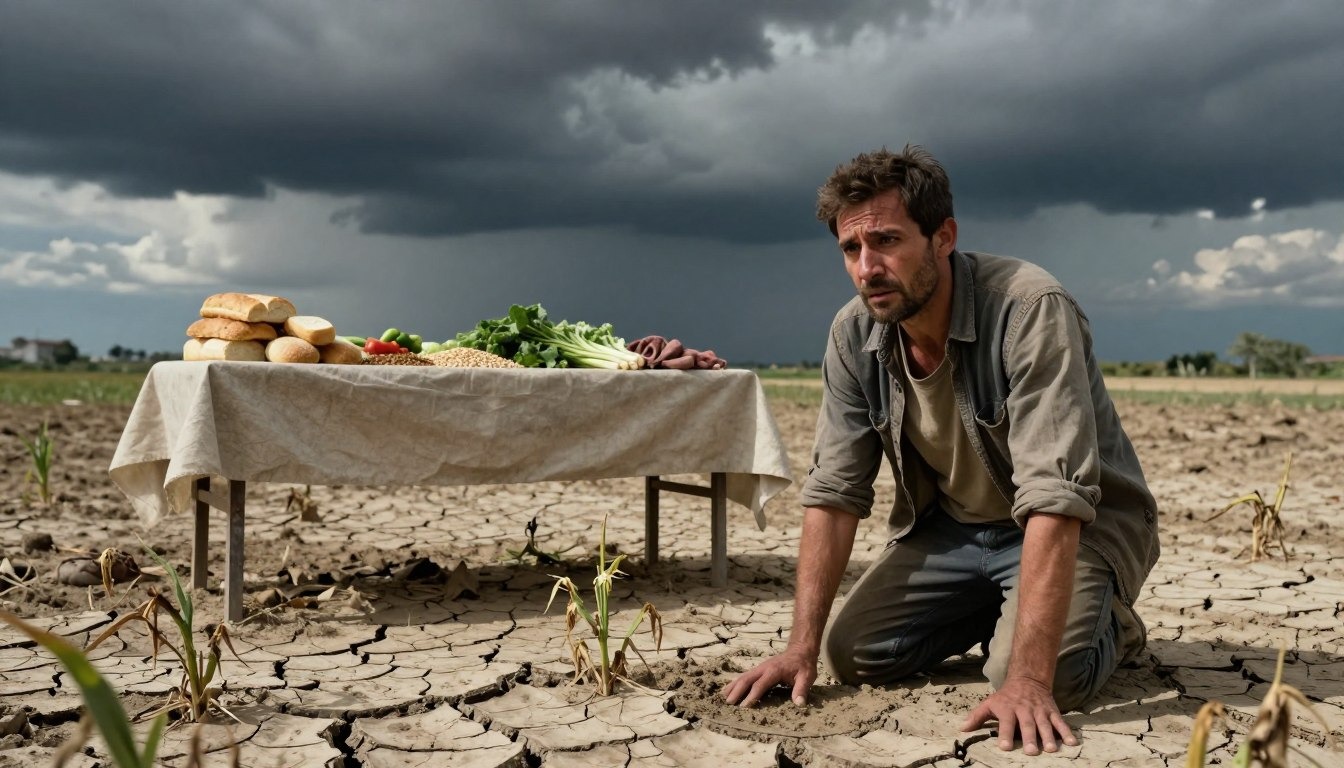
Global Food Supply Concerns Grow Amid Droughts and Conflicts
We are seeing big changes in how we grow food around the world. Environmental and political issues are making us think differently about our resources. Global food supply concerns grow amid droughts and conflicts, affecting everyone.
Extreme weather and unstable regions make growing food very hard. We need to watch these issues closely to understand the dangers they pose. Protecting our future requires a deeper look at how these systemic threats interact.
Food Security
Looking into these problems helps us get ready for the future. Keeping Food Security is now a global need, not just a local one. Join us as we explore the big picture of these changes in our uncertain world.
Key Takeaways
- International agricultural systems face unprecedented pressure from climate change and geopolitical strife.
- Droughts significantly reduce crop yields, impacting availability across major markets.
- Political conflicts disrupt supply chains, making it harder to distribute essential goods.
- We must prioritize sustainable resource management to mitigate future shortages.
- Understanding these complex intersections is vital for maintaining long-term stability.
The Current State of Global Food Security
To understand global food security, we must see the cracks in our farming systems. Our food world is facing big challenges. These problems are not just random events but signs of a weak system.
Many factors are threatening our food supply. Looking at the data, we see a big problem. Our farms rely too much on a few areas. This makes our food system very fragile.
- Extreme weather is hitting our crops more often.
- Our food supply chains are getting clogged.
- Money troubles are making it hard for people to buy food.
- Politics in key farming countries is unstable.
The Food Security issue is now affecting the US and other countries. It’s changing how much food we can buy and what crops are available. We need world leaders to work together fast to fix this.
Our old ways of managing food are not working anymore. We need to work together and build strong food systems. Coordinated action is key to making sure everyone has enough to eat.
How Prolonged Droughts Are Crippling Agricultural Yields
Persistent dry spells are changing American agriculture. We see a clear link between long dry periods and a significant decline in key crops nationwide.
These changes threaten our food supply. The future of farming communities is a big worry for those in charge and farmers.
Impact on Staple Crop Production in the United States
Our staple crops like corn, soybeans, and wheat need just the right amount of water. Without it, the yield gaps can hurt local economies a lot.
Farmers in the Midwest and Great Plains struggle to keep up with past production levels. This problem affects prices and availability for everyone in the country.
Water Scarcity and the Future of Irrigation
Water scarcity makes us rethink old irrigation ways. Farmers are moving to precision agriculture to use water better.
They use new tech and drip irrigation to cut down on waste. These changes are expensive but needed for farming in today’s climate.
We need to keep supporting these new methods for food security. Updating our farming ways is now a critical necessity for farming’s future.
The Role of Geopolitical Conflict in Supply Chain Disruptions
Our modern food supply chain is under a lot of pressure from changing global politics and local conflicts. When countries fight, it makes it hard to move food around. These problems are not just one-off issues but are caused by ongoing global tensions.
Trade Route Blockages and Rising Shipping Costs
Big shipping lanes and land routes are key for global trade. If these are blocked by conflict, the whole system slows down. Shipping companies then have to find new routes, which costs more fuel and money.
These extra costs make food more expensive for everyone. The food supply chain gets weaker when important places are affected by politics. This makes it hard to plan for the future for those who export food.
Fertilizer Shortages and Their Ripple Effects
Geopolitical issues also affect the availability of important farming supplies. Fertilizer needs stable energy and trade to be made. When these are disrupted, farmers struggle to plant crops as usual.
This shortage has a big impact on the market. Lower crops mean less food, which raises prices for everyone. We need to fix these problems to keep the food supply chain strong and avoid big crises.
Rising Food Insecurity Among Vulnerable Populations
Hunger is growing in our country, affecting families who never thought they’d face it. More households are struggling to get the food they need. This deepening crisis is a serious issue that needs our urgent attention.
The Disproportionate Impact on Low-Income Households
Economic troubles are leading to more food insecurity. When prices rise faster than wages, low-income families face tough choices. They must decide between rent, utilities, or food. These families face big challenges in achieving Food Security long-term.
“Hunger is not a problem of scarcity; it is a problem of access and equity that leaves our most vulnerable neighbors behind in an era of plenty.”
Several factors are widening the gap in our society:
- Wages that don’t keep up with the cost of living.
- The high cost of healthy food in urban areas.
- Not enough social safety nets during tough times.
Challenges in Maintaining Consistent Access to Food
Getting food reliably is a daily battle for many Americans. Even with resources, getting to them is hard due to transportation and time issues. We must see that consistent nutrition is key for health and moving up economically.
To tackle these issues, we need more than quick fixes. We must work on lasting changes to help those on the edge. By improving access to food, we can start to break down the barriers to food insecurity nationwide.
Analyzing the Fragility of the Global Food Supply Chain
The modern food supply chain is very efficient but fragile. For years, it focused on being fast and cheap. This kept prices down but made it hard to handle big problems.
Dependency on Just-in-Time Delivery Systems
Just-in-time delivery is common in the food supply chain. Stores and distributors have little stock. This lean method assumes goods arrive just in time. But, if something goes wrong, there’s no backup to stop shortages.
This efficient system makes us vulnerable to small delays. Any unexpected problem can cause big problems. We’re risking long-term safety for short-term savings, a risky bet.
The Need for Diversified Sourcing Strategies
We can’t ignore the need for diverse suppliers anymore. Using many suppliers and locations helps us deal with local issues. A diversified sourcing strategy protects us from global market ups and downs.
We need to add redundancy to our food supply chain. This means having backup plans. Working with local farms shortens delivery times. Resilience should be more important than just being efficient in our global networks.
Governmental Responses and Food Assistance Programs
Ensuring everyone has enough to eat is a big job for governments. When money is tight, the market can’t always help. That’s why food assistance programs are crucial for many families in the U.S.
Evaluating the Effectiveness of Current Federal Aid
Programs like SNAP and WIC are key in helping low-income families. They help with food costs, but their success depends on funding and rules.
These programs help avoid hunger, but they face big challenges today. Inflation can make it hard for families to eat well. To do better, we need to look at a few things:
- How fast benefits can change when food prices go up.
- Why some people can’t get help even if they need it.
- The quality of food that’s available through these programs.
- Differences in where and how these programs are available.
Policy Shifts to Address Long-Term Hunger Relief
We need to change how we fight hunger. Instead of just quick fixes, we should focus on lasting solutions. Short-term aid isn’t enough when hunger is a long-term problem.
Good long-term plans should make food systems stronger. By supporting local farms and food hubs, we can make food delivery more reliable. This helps local economies and cuts down on food’s environmental impact.
The Intersection of Climate Change and Food Justice
To achieve food justice, we must face how climate change hurts vulnerable groups. Climate change makes existing food system gaps worse. It’s key to see that not everyone bears the same climate burden.
Why Marginalized Communities Face the Greatest Risks
Low-income areas and rural spots struggle with extreme weather. They often face “food deserts” with little access to healthy food. When weather gets worse, these places suffer more because they can’t recover fast.
Several factors increase risks for these groups:
- They have less access to resilient farming tools and irrigation.
- They rely more on imported goods that can get expensive.
- There’s less money spent on local food production and delivery.
- They face more environmental dangers that harm soil.
By focusing on food justice, we can start to fix these issues. We need to see that the current system often leaves the most vulnerable behind during climate crises.
Advocating for Equitable Resource Distribution
Creating a fair farm future needs fair resource sharing. Just growing more food isn’t enough. We must make sure new ideas help those who need it most. Equity should guide every decision on land and water.
Supporting food justice means backing local farmers in poor areas. We should push for aid and training for small farmers. This helps them face climate’s ups and downs better.
Our aim is to make sure everyone gets good food, no matter their wealth. By sharing resources fairly, we can create a stable, welcoming future. We must keep pushing for these changes to protect all communities from global environmental threats.
Technological Innovations in Sustainable Farming
We are entering a new era where innovation is key to food security. As the environment faces more pressure, we’re moving away from old ways. We’re now using smarter, data-driven methods to grow more food with less resources.
Precision Agriculture as a Tool for Resilience
Precision agriculture is a big step forward in farming. It uses satellite images, soil sensors, and machines to check crop health. This way, farmers only use water, fertilizer, and pesticides where needed.
This method cuts down waste and saves money for farmers. It also helps protect the soil and ecosystems from harmful chemicals. These tools help farmers keep yields up, even when the weather is tough.
Developing Drought-Resistant Crop Varieties
We’re also working on crops that can handle dry and hot conditions. Scientists are creating drought-resistant crops to help feed people as the planet warms up.
Teams are using genetic mapping to find ways for plants to hold onto water better. By adding these traits to common crops, we’re making farming more reliable. These changes help us deal with the unpredictable climate.
Economic Consequences of Persistent Food Inflation
Persistent food inflation is changing the financial scene for American families. When the cost of essential goods goes up, it affects the whole economy. These price increases are not just short-term. They show a significant shift in how families use their money.
How Rising Costs Affect Consumer Purchasing Power
The first effect of rising food prices is the erosion of disposable income for families. More money goes to grocery stores, forcing families to make tough choices. This often means spending less on entertainment, savings, or investments.
Those with fixed incomes or little money are hit the hardest. When food becomes expensive, life quality drops. This cycle of rising costs limits how much people can spend in the economy.
The Macroeconomic Outlook for the Agricultural Sector
The problems at the checkout counter show deeper issues in the agricultural sector. Farmers face high costs for energy, fertilizer, and labor. These costs are then passed on, leading to ongoing inflation.
The future looks challenging for the industry. It needs to focus on greater efficiency and resilience to keep prices stable. We expect to see more technology in farming to deal with market ups and downs. Adjusting to these changes is key for a stable food supply in the years to come.
International Cooperation in Mitigating Global Hunger
Working together, governments and non-governmental organizations are key to global food security. No single country can tackle the big challenges in agriculture alone. By combining our efforts, we can make sure everyone has enough to eat.
Collaborative Efforts Between NGOs and World Governments
Partnerships help us respond quickly to emergencies. Governments offer the support and money needed. NGOs bring the local knowledge to reach those in need. This teamwork makes aid effective and respectful of local cultures.
To really improve global food security, we need to work together on a few key things:
- Sharing data on crops and markets.
- Working together on logistics to avoid supply chain problems.
- Creating common policies for sustainable farming.
- Training small farmers in developing areas together.
The Importance of Global Food Reserves
Having strategic stockpiles is crucial for protecting against supply shocks. These reserves help keep food prices stable during tough times. Without them, the market is too volatile.
We believe in strengthening these reserves to enhance global food security. Seeing food storage as a shared duty helps us deal with climate-related crop failures. Strategic coordination ensures fair distribution when local supplies fail.
Our dedication to global food security relies on unity. With shared reserves and open cooperation, we can prevent hunger caused by global instability. We must keep investing in these global solutions to help the most at-risk people.
Preparing for Future Disruptions in Food Access
Our ability to get food depends on our local communities. As global supply chains get more stressed, we need to rely more on our regions. By focusing on local networks, we can build a stronger base for our food needs.
Building Localized Food Systems for Greater Stability
Shortening the distance from farm to table can greatly improve our access to food. Local systems make us less dependent on long, fragile global chains. Supporting local farmers keeps resources in our neighborhoods.
To build these systems, we need to invest in small-scale farming. Here are some key strategies for regional stability:
- Investing in regional food hubs that gather produce from local farms.
- Expanding farmers’ markets to ensure consistent food access for all residents.
- Developing community-owned processing facilities to preserve seasonal harvests.
- Creating direct-to-consumer distribution channels that bypass traditional retail bottlenecks.
Community-Led Initiatives to Combat Food Insecurity
Grassroots efforts are crucial in protecting vulnerable groups from food insecurity. Local organizing helps us tackle specific needs that big programs might miss. These efforts build a sense of community and resilience.
Many communities are finding creative ways to ensure food access for their neighbors. By working together, we can create lasting solutions that help now and in the future:
- Establishing community gardens that provide fresh, affordable produce to local families.
- Launching neighborhood food cooperatives that offer bulk purchasing power.
- Expanding volunteer-run food pantries that prioritize nutrition and dignity.
- Creating educational programs that teach urban gardening and food preservation skills.
Our strength comes from supporting each other. By strengthening local networks, we can fight food insecurity and keep our communities fed, no matter what happens globally.
Conclusion
We need a strong plan to ensure everyone has enough food. We must use new technology and smart policies to keep our farms safe. This will help us stay stable in a changing world.
Local groups are key in this effort. They help neighborhoods deal with hunger on their own. This local work helps national efforts, making sure no one goes hungry.
We’re committed to following these important steps. Our team fights for big changes to make sure food is secure for everyone. Join us in staying updated on our journey to a better future for all.
FAQ
Why are global food supply concerns growing amid droughts and conflicts?
Environmental pressures and geopolitical tensions are causing big problems. Droughts and conflicts reduce crop yields and block trade routes. This makes it hard to get food from farms to our tables.
How do prolonged droughts specifically affect our food supply chain?
Droughts in places like the Western United States hurt crop production a lot. Water scarcity forces farmers to change irrigation, leading to lower harvests and higher costs. This strains the food supply chain.
In what ways do international conflicts impact food access?
Conflicts block trade routes and raise shipping costs. They also cause fertilizer shortages, affecting major producers like Yara International and Mosaic Company. This limits food access worldwide.
Who is most impacted by the current rise in food insecurity?
Food insecurity hits low-income households and marginalized communities hard. They face barriers and can’t afford the rising food costs due to a fragile food security landscape.
What is food justice and why is it relevant to climate change?
Food justice means everyone should have access to healthy, affordable food. Climate change burdens often fall on those with fewer resources. Fighting for food justice helps us adapt to a changing planet.
Are current food assistance programs effective in providing hunger relief?
Programs like SNAP and WIC help with hunger. But, we need long-term policy changes to ensure food access during economic shocks.
How can technological innovation help improve food security?
Technologies like precision agriculture and drought-resistant crops are making progress. Companies like Cargill and Corteva Agriscience are leading the way. These innovations help us use resources better and build a resilient agriculture sector.
Why is our reliance on “just-in-time” delivery systems a risk?
The “just-in-time” model is efficient but leaves us exposed to disruptions. Diversifying our sources and moving away from single dependencies is key to a stable food supply chain.
What role does international cooperation play in mitigating global hunger?
No country can solve hunger alone. International cooperation, with NGOs like the World Food Programme and governments, is crucial. It helps establish global food reserves, ensuring quick responses to supply disruptions.
How can we build more resilient local food systems?
Supporting community-led initiatives and building local networks is essential. Strengthening regional food hubs reduces our reliance on long-distance logistics. This ensures more reliable food access for our n










Post Comment