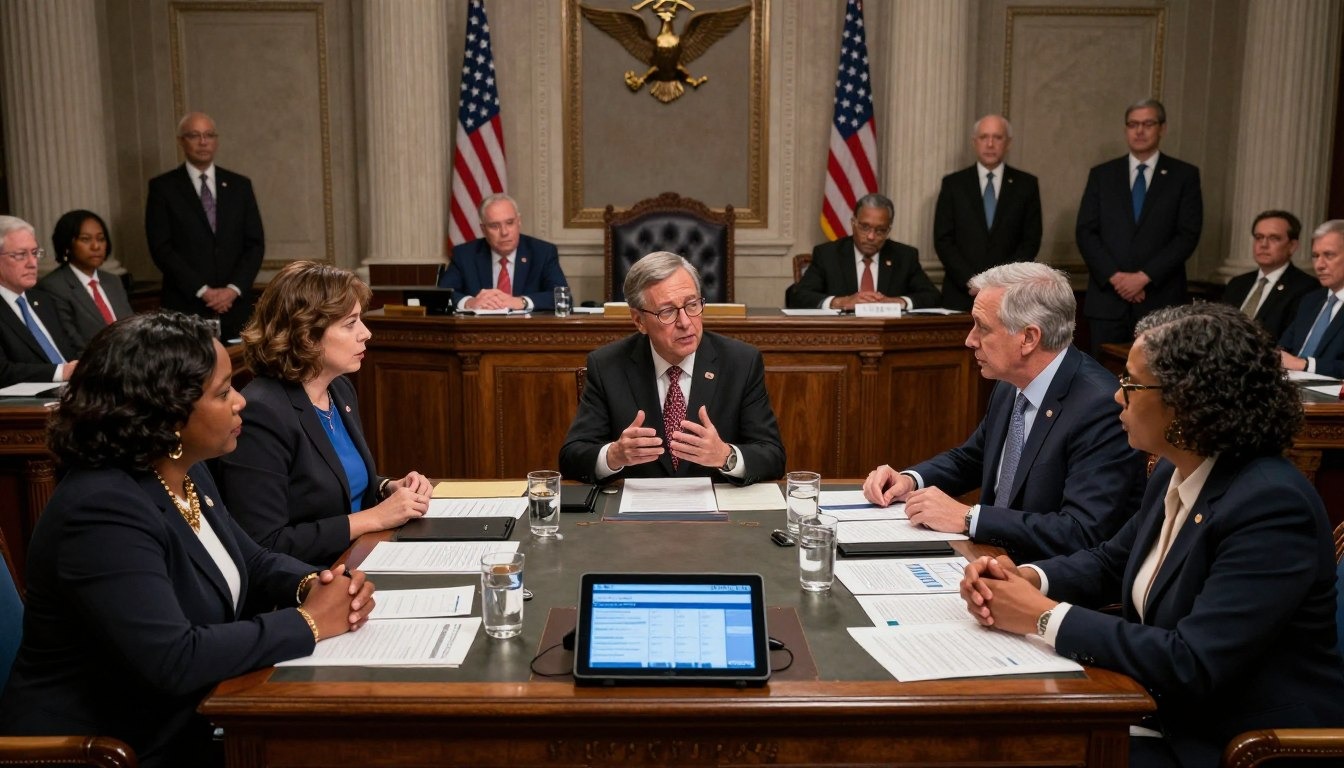
U.S. Senate Approves Major Border Security and Immigration Funding Package
The U.S. Senate has made a big move for national safety. They’ve agreed on a major border security and immigration funding package. This is to tackle urgent issues in the region.
This move changes how the government spends its money. We think it will change the strategic landscape for the next year a lot.
U.S. immigration and border policy
We’re looking into what this new law means. We want to explain how it changes the u.s. immigration and border policy for everyone involved.
Key Takeaways
- The Senate passed a comprehensive funding bill to bolster national safety measures.
- New resources are designated to improve operational efficiency at entry points.
- Legislators prioritized technology upgrades to enhance monitoring capabilities.
- The package establishes a clear roadmap for fiscal spending in the coming year.
- Stakeholders expect these changes to influence long-term administrative strategies.
Legislative Breakthrough in the Senate
The recent legislative session was a turning point for national policy. Lawmakers overcame deep partisan divides. The u.s. senate approves major border security and immigration funding package, showing a move towards working together.
This success was hard-won. It required dealing with intense political pressure from all sides.
The Path to Bipartisan Agreement
Reaching agreement on such a contentious issue needed unprecedented cooperation from both parties. Lawmakers worked tirelessly in secret meetings to find common ground. They focused on shared goals to overcome usual legislative obstacles.
The process involved making strategic concessions to meet different needs. The final agreement balances security and efficiency well.
Key Provisions of the Funding Package
This legislation updates immigration laws with several key changes. It aims to modernize systems and support federal agencies. The bill includes:
- More funding for advanced surveillance technology at major ports.
- More jobs for border patrol agents and support staff.
- Resources to tackle the huge backlog in immigration courts.
- Improvements to infrastructure for better processing standards.
These steps aim to improve our immigration laws for today’s world. The u.s. senate approves major border security and immigration funding package aims to create a more stable system for all.
Shifting Dynamics in U.S. Immigration and Border Policy
The current funding package marks a big change in federal policy. It shows a shift in how the government handles u.s. immigration and border policy for today’s world.
This change is not just about more money. It’s about making the system more flexible. We want to tackle the complexities of modern migration better than before.
Aligning Federal Priorities with Current Realities
The modern world brings new challenges that need agile solutions. We must make sure federal resources go to the most urgent needs. This keeps our country safe and upholds humanitarian values.
To align priorities, the government is focusing on key areas:
- Integrating advanced data analytics for real-time monitoring.
- Improving the speed of processing at official entry points.
- Enhancing coordination between federal and local agencies.
- Allocating funds based on current migration volume data.
Historical Context of Recent Legislative Efforts
Previous immigration reform efforts often failed. They were too narrow or caught in partisan fights. This new legislation is different because it tackles many parts of the system at once.
This package recognizes that comprehensive change is key for lasting stability. It learns from past bills’ mistakes. Lawmakers have created a plan that balances security with the real needs of global movement.
This new approach to u.s. immigration and border policy sets a model for future laws. We think focusing on making the system more efficient will lead to lasting immigration reform. This reform will benefit the nation.
Enhanced Border Security Infrastructure
Investing in strong border security is key to managing migration. We know our entry points must be secure for national safety. This funding will help us update our monitoring and enforcement methods.
Technological Advancements at Ports of Entry
The new law focuses on adding cutting-edge surveillance technologies at ports. Advanced sensors and high-resolution cameras will boost our detection skills. This means agents can spot illegal activities more quickly and accurately.
Upgrading digital systems is crucial in today’s complex world. We’re moving to a data-driven approach for better border security. This change helps us use our resources more effectively.
Personnel Increases and Patrol Capabilities
The funding also boosts personnel levels to enhance patrol effectiveness. Human agents are still essential in the field. More staff will make us quicker and more ready to respond at the border.
More agents mean better support for those in tough spots. Strengthening our border security teams keeps our patrols reliable. This is a big part of our plan for safe borders.
Reforming Asylum Processing and Adjudication
The new legislative package brings big changes to how we deal with asylum seekers at our borders. We know the old system has trouble balancing helping people with keeping our borders in order. We’re making big changes to make the legal process more predictable and efficient.
Streamlining the Asylum Seeker Review Process
We want to make the first check for those at the border faster. We’re setting up new rules to spot real claims quickly and keep our immigration laws strong. This way, we can tell who needs protection and who doesn’t.
To make this happen, we’re making a few big changes:
- We’re training more officers in how to handle international protection cases.
- We’re using digital tools to manage files better from the start.
- We’re making the deportation process clearer to make sure everyone gets a fair shot.
Addressing Backlogs in Immigration Courts
There are too many cases waiting in court, slowing things down. We’re giving immigration courts more money to hire judges and staff. This is essential to cut down wait times for everyone.
By fixing these backlogs, we make sure the deportation process works right for those who don’t qualify. A quicker court system means asylum seekers get answers faster. It also helps our immigration laws by making sure cases are fair and fast.
Impact on Visa Regulations and Legal Pathways
The federal government is changing how it handles visa regulations and legal ways for foreigners to enter the U.S. These updates aim to balance national security with the need for skilled workers. They want to make policies clearer for employers and applicants.
Adjustments to Employment-Based Visa Caps
The new package makes changes to visa caps for work visas. These changes aim to meet the current economic needs. The goal is to help the U.S. workforce while keeping things under control.
These updates help the U.S. react faster to job needs. When jobs are hard to fill, the system can adjust quicker. This lets businesses grow and innovate without old rules holding them back.
Modernizing Documentation and Processing Systems
A big part of this law is making paperwork and processing digital. This move aims to make things easier for everyone involved. It’s expected to cut down on wait times for legal entry.
Using digital tools brings many benefits for workers and their families:
- Enhanced transparency in the application process.
- Less paper means fewer mistakes.
- Quicker checks on credentials and background.
- Better communication with immigration officials.
These changes make it easier for people to legally work in the U.S. They show a commitment to a better immigration system. We think these tech upgrades will help shape future policy changes.
Addressing Migrant Detention and Humanitarian Standards
Improving care for those in federal custody is key in the recent agreement. We know that immigrant rights need a balance between border control and treating people with respect. This package aims to update migrant detention centers to reflect these values.
Funding for Improved Detention Center Conditions
The bill puts a lot of money into making facilities better. It’s for better medical care, food, and living spaces for asylum seekers. The goal is to fix overcrowding and meet basic needs.
These changes are crucial for keeping dignity in custody. Modernizing facilities will help staff manage better and follow safety rules. It’s a step toward a better way to handle border issues.
Oversight and Accountability Measures
To make sure funds are used right, the package adds strict checks. Independent monitors will get to see how asylum seekers are treated. This is to increase transparency and trust in migrant detention centers.
Also, the bill requires regular reports on conditions. This way, we can protect immigrant rights and make sure agencies do their job. This focus on oversight is a crucial step for keeping humanitarian standards high.
The Role of Border Control Measures in National Security
Strengthening national security means using smart border control measures. We see these efforts as a key defense layer. They protect the United States’ integrity. Advanced technology and strategic oversight help keep our interests safe from threats.
Good border security is more than just walls. It’s about the smart use of intelligence. We aim for a strategy that keeps everyone safe at all entry points.
Interagency Cooperation and Intelligence Sharing
Our success depends on agencies working together well. We’ve set up new ways for the Department of Homeland Security and other agencies to share data quickly. This helps us stay ahead of threats.
“National security is a collective responsibility that demands total transparency and rapid information sharing across all levels of government.”
This teamwork helps us spot risks early. Our agents can then act fast to stop suspicious activities. Thanks to shared databases, they can do their jobs better and faster.
Combating Transnational Criminal Organizations
We’re working hard to take down transnational criminal groups. These groups try to get past our border control measures using clever tricks. We must stay ahead of them.
We’re focusing on several key areas to fight these groups:
- Enhanced surveillance of high-risk transit corridors.
- Increased funding for specialized task forces targeting human smuggling.
- Advanced forensic analysis to track financial flows of criminal syndicates.
By working on these areas, we’re making our border security stronger. We’re also reducing the power of those who try to break our laws. We’re always ready to defend our nation against these threats.
Perspectives from Capitol Hill
As the debate heats up, we look at the different views on border security. Lawmakers face a tough challenge balancing political goals and public wishes. The debate shows the deep divisions in national policy discussions.
Arguments from Proponents of the Legislation
Those who support the funding package say quick action is key for national stability. They believe it’s the government’s duty to fund border operations. They think this will lead to a more orderly and predictable immigration system.
“We must prioritize the integrity of our borders to ensure the safety and security of every citizen across the nation.”
Advocates say our current border setup can’t handle today’s problems. They want to invest in new tech and staff to cut down on illegal crossings. They see this bill as a crucial step toward fixing our immigration system.
Concerns Raised by Opposing Lawmakers
On the other hand, some lawmakers have big worries about this bill’s long-term effects. They think it doesn’t really solve the migration issue. They doubt if the federal money will do what it’s supposed to.
They also want more openness in how the money is spent. Without strict checks, they fear the funds might not be used as planned. Fiscal responsibility is a big part of their opposition.
The main issue is finding the right mix between security and helping people. Lawmakers keep discussing what’s best for our country. The outcome will shape our border policies for a long time.
Stakeholder Reactions and Public Sentiment
To understand the nation’s mood, we look at how communities and groups react to policy changes. The scene is filled with both hope and worry as the funding package details come out. The talk in public shows a country trying to find a middle ground between security and helping others.
Advocacy Groups and Immigrant Rights Organizations
Groups focused on immigrant rights are worried about the new laws. They say funding is needed, but it must protect the dignity and safety of asylum seekers. They worry that increased surveillance could harm vulnerable people.
These advocates are especially concerned about migrant detention centers. They fear more funding could mean longer stays in places that are not well-equipped. Key points they bring up include:
- The need for clear information on how detention funds are used.
- A call for better legal help for asylum seekers.
- Concerns that border control measures might focus too much on enforcement.
Local Government Responses in Border Communities
On the other hand, local officials in border areas talk about the practical problems they face. Mayors and county heads say their resources are overwhelmed by the number of migrants. They want federal help that will really make a difference for their economies and services.
“Our communities are on the front lines of this crisis, and we need federal policies that are as practical as they are comprehensive,” noted a representative from a regional border coalition.
These local leaders support more resources, but only if they also get help for their infrastructure. They don’t get caught up in big debates. They just want a stable and safe place for their people, respecting immigrant rights and community safety.
Economic Implications of the New Funding
We need to look at how new funding will change the economy of our border areas. This money is meant to fix local infrastructure and handle the complex needs of immigration.
Impact on Regional Economies and Labor Markets
The new federal money is a big help for border towns that have faced tough times. It will make it easier for goods to move, helping local businesses and supply chains.
The new visa regulations also help balance the labor market. They make sure industries with seasonal or special labor needs can work better and more smoothly.
“Economic stability in border regions is not merely a local concern; it is a fundamental pillar of our national prosperity and security.”
Long-term Fiscal Projections for Immigration Services
We think these investments will pay off for the government in the long run. By updating our systems, we cut costs from processing delays and inefficiencies.
The success of these programs depends on a few important financial points:
- Lowering costs with digital tools.
- Better tracking and managing visa regulations.
- Working better with other agencies to avoid waste.
Our focus on these financial changes makes sure immigration services can handle economic ups and downs. We’re confident this smart plan will lead to a more open and affordable system for the future.
Implementation Challenges and Future Hurdles
Turning policy into action is tough. It faces big challenges in logistics and law. These hurdles could change the face of immigration reform. The law is set, but making it work needs teamwork from many federal groups.
Success depends on agencies adapting fast to new rules.
Logistical Obstacles for Federal Agencies
Federal agencies have a big job ahead. They must grow fast to meet new demands. This means more people and better training.
Without smooth work, agencies might struggle. This could mess up their main jobs.
There are key areas to focus on for readiness:
- Resource Allocation: Spread funds well across border areas to meet urgent needs.
- Staffing Requirements: Hire and train more people to handle the extra work.
- Technological Integration: Update old systems to share data better between agencies.
- Interagency Coordination: Make sure everyone talks clearly to avoid confusion.
Potential Legal Challenges to New Provisions
Legal fights are likely ahead. Groups and states plan to sue over parts of the law. These lawsuits could stop important deportation process changes for a long time.
Legal wins could change the law’s goals. If courts say some parts are wrong, the government might have to change its plans. This could make things uncertain for everyone involved in the deportation process.
In the end, these reforms will face tests in Congress and courts. How they do will show if the law works.
Conclusion
The U.S. Senate has made a big move to change how we handle borders and immigration. This plan tries to meet national security needs and help those who want to enter the country. It also aims to update our infrastructure and tackle today’s economic challenges.
The success of these changes depends on the work of federal agencies. We need to see how the Department of Homeland Security and others put these laws into action. It’s crucial to make sure our money is well spent and benefits the American people.
Stay updated as these policies become real. Your involvement helps keep our government open and honest. We’ll keep an eye on how these changes affect our communities and the country as a whole.
FAQ
What is the primary focus now that the U.S. Senate approves major border security and immigration funding package?
We’re now focusing on making our u.s. immigration and border policy more modern. This package helps us update our immigration laws and improve border security. We’re also shifting federal resources to meet today’s migration needs.
How will the new funding streamline the experience for asylum seekers and the deportation process?
We’re putting a lot of money into immigration courts to clear up backlogs. This will help us process asylum seekers faster. We want a fair and quick deportation process for those who don’t qualify under new immigration reform.
What technological advancements are being introduced through these border control measures?
We’re investing in new border control measures like advanced surveillance and digital systems. These upgrades will help our border patrol teams work better. They’ll also improve our monitoring and readiness at ports of entry.
How do the updated visa regulations impact the American labor market?
We’ve updated visa regulations to help the employment-based visa caps. Modernizing documents and systems will make it easier for international workers. This should help stabilize our labor markets.
What steps are being taken to protect immigrant rights in migrant detention centers?
We’re focusing on improving migrant detention centers. We’re adding oversight to ensure these places meet human rights standards. This will protect immigrant rights during detention and processing.
What role does interagency cooperation play in our broader national security strategy?
We’re working on better interagency cooperation and sharing intelligence. This will help us fight transnational criminal groups. It makes our border security a key part of national security.
What are the anticipated challenges for federal agencies in implementing this immigration reform?
The u.s. senate approves major border security and immigration funding package is a big win. But, we know there will be challenges. Federal agencies face complex changes and legal hurdles. These could affect how fast we can enforce new immigration laws.













Post Comment