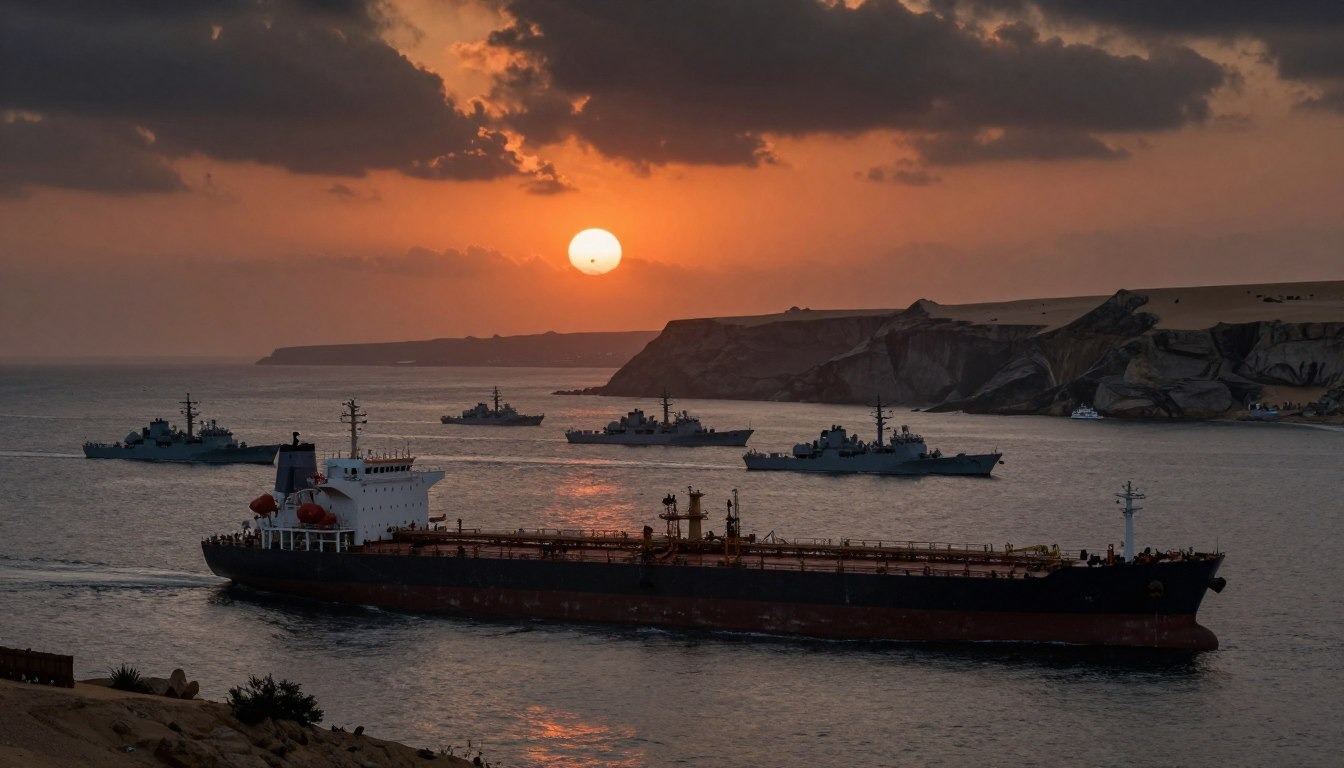
Strait of Hormuz Tensions Put Global Oil Markets on Alert
The Strait of Hormuz is a key waterway. It connects the Persian Gulf to the Arabian Sea. It’s a vital route for oil that powers our world.
Recently, the area has seen a lot of political tension. This makes Global oil and energy markets very nervous. It’s clear why Strait of Hormuz tensions put global oil markets on alert for everyone.
Global oil and energy markets
We’re looking into how these threats affect oil. It impacts everyone from those who produce it to those who use it. We want to help you understand the big economic effects of this situation.
Key Takeaways
- The waterway acts as a critical chokepoint for international petroleum transit.
- Geopolitical instability creates significant uncertainty for supply chains.
- Rising regional friction directly influences pricing for end-consumers.
- Maritime security remains a top priority for international trade stability.
- We analyze how these threats ripple through the broader economy.
The Strategic Importance of the Strait of Hormuz
The Strait of Hormuz is a key spot in the global economy. It’s the main way for crude oil exports from big producers like Saudi Arabia, Iraq, and the United Arab Emirates to leave.
Every day, about 21 million barrels of oil go through this area. This huge amount is a big part of the world’s oil use. So, the Strait of Hormuz is very important for keeping the world stable.
Chokepoint of Global Energy Flows
The Strait of Hormuz is a narrow waterway. A small problem here can cause big issues in the global oil market.
Since so much oil travels through this one path, any danger makes everyone worried. We see it as more than just water. It’s the central artery of the world’s energy system.
Historical Context of Maritime Security
The area has faced challenges since the 1980s. The most serious was the tanker wars.
Looking back at these times helps us understand today’s risks. By learning from the past, we see how maritime security affects the world’s energy supply.
Current Geopolitical Flashpoints in the Region
Recent events in the Middle East have turned local sea disputes into big global issues. These conflicts are not just small problems. They are complex geopolitical maneuvers with big effects on the world.
By watching these hotspots, we get a better view of the sea’s current turmoil. This situation needs constant watchfulness from everyone involved in global trade.
Escalating Tensions and Diplomatic Standoffs
We’re seeing more tension between regional powers and the world over freedom of navigation. These issues often deal with sea borders and the right to pass through.
The diplomatic standoffs make the world markets shaky. Clear communication channels are hard to keep open. This makes it tough to calm these tense situations before they affect shipping.
Military Posturing and Maritime Patrols
Nations are showing more military might in the area. They’re using their navies to keep shipping lanes safe from threats or attacks.
These patrols act as a strategic deterrent against those who might try to block energy flows. Even though they aim to keep things stable, they also raise the chance of accidents in busy waters.
The use of advanced naval tech shows how critical it is to keep sea paths open. We keep an eye on these events as they’re key to the world’s energy supply chain.
How Strait of Hormuz Tensions Put Global Oil Markets on Alert
The Strait of hormuz tensions put global oil markets on alert when stability is at risk. This narrow waterway is key for a big part of the world’s oil. Any conflict here quickly affects global oil and energy markets.
Immediate Price Volatility and Market Sentiment
Market mood can quickly change with a geopolitical event. Traders adjust their bets to protect themselves. This fast change leads to a lot of trading activity.
Several things make markets nervous:
- Sudden reports of maritime incidents or vessel seizures.
- Official statements regarding the closure of shipping lanes.
- Increased military presence near key transit corridors.
- Speculative trading based on fears of supply chain bottlenecks.
Risk Premiums in Crude Oil Futures
News of instability leads traders to add risk premiums to oil prices. These premiums cover the cost of insurance and possible delays. So, the Strait of hormuz tensions put global oil markets on alert by making futures prices go up.
These premiums act as a financial safety net against supply disruptions. As long as the situation is unstable, global oil and energy markets will keep pricing in these risks. This makes energy prices very sensitive to any news from the region.
Impact on Global Oil and Energy Markets
When transit routes face threats, the whole global oil and energy markets start to change. Any disruption in key shipping lanes leads to a big and costly change in how energy is moved around the world. This change affects every part of the supply chain.
Supply Chain Disruptions and Tanker Logistics
When tanker routes are blocked, companies have to find new, longer, and more expensive ways to move oil. We follow the latest oil and gas industry news on how big shipping companies are changing their plans to avoid these problems. By taking longer routes, ships often face big delays, making the whole energy supply less efficient.
These problems make the energy sector less efficient by adding costs and time to every barrel of oil. Shipping companies now focus more on vessel security and finding the best routes to keep deliveries on time. This is key to avoid shortages in areas that need regular oil shipments.
Insurance Costs and Shipping Insurance Premiums
As shipping risks grow, insurance costs for shipping oil go up. This means that the cost of oil for buyers in Asia and Europe increases. This extra cost is then passed on to consumers, making energy more expensive.
These higher costs are like a tax on energy trade, making global oil and energy markets even more unstable. Keeping up with oil and gas industry news is crucial for those who need to deal with these changing financial conditions. The mix of longer routes and higher insurance costs makes energy security a big challenge worldwide.
Regional Producers and the Global Energy Supply
We need to look at how Gulf producers handle their huge resources during regional instability. Their ability to keep energy flowing is key to global security. Even with tensions high, these countries often show great ability to keep producing.
Production Capacities of Gulf Nations
Nations like Saudi Arabia, the United Arab Emirates, and Kuwait play a big role in global supply. They have the setup to increase or decrease production as needed. Keeping this steady flow helps avoid big price jumps in the world market.
These producers focus on long-term stability over quick profits. They invest in new extraction tech to keep their fields working under stress. This effort helps reduce risks from regional issues.
Alternative Export Routes and Pipeline Infrastructure
The Strait of Hormuz is a big worry for energy traders and leaders. To tackle this, many have built strategic pipeline networks to go around it. These paths are crucial for keeping energy exports flowing.
For example, the East-West Pipeline in Saudi Arabia sends crude oil to the Red Sea. This cuts down the oil going through the narrow strait. Diversifying export paths is a smart move to ensure energy gets to markets without trouble.
In conclusion, while the Strait of Hormuz is important, these other routes offer necessary flexibility. These investments in infrastructure show a forward-thinking way to handle supply chain risks. The resilience of these producers is key to keeping the global economy running smoothly, even in uncertain times.
The Perspective of the United States on Energy Security
We see stable global energy markets as key to our national security. The global economy needs steady energy supplies. Any threat to these supplies must be met quickly and carefully.
Our plan combines managing our own resources with working closely with other countries. This helps prevent and solve energy crises.
Strategic Petroleum Reserve Management
The Strategic Petroleum Reserve (SPR) is our main defense against sudden oil supply problems. It holds a huge amount of crude oil in underground salt caverns. This reserve is a safety net for our domestic market.
When oil prices get too high, we release oil from the reserve. This helps keep prices stable and calm consumers. We use this tool to help our country and send a message to the world that energy is available.
Diplomatic Efforts to Ensure Freedom of Navigation
We also work hard to keep international shipping lanes safe. We team up with other countries for multinational naval patrols. These patrols help keep shipping lanes open and safe.
Our support for these lanes is strong. We build strong alliances to keep the world united in supporting freedom of navigation. This helps keep energy flowing, even when tensions are high.
Oil Price Trends and Economic Consequences
When energy costs go up, it affects more than just the price at the gas pump. It impacts everything from making goods to how much money families have left over. The ups and downs in these markets send big waves through the world’s finances. Keeping an eye on oil price trends helps us understand the health of the global economy.
Inflationary Pressures on Global Economies
Rising energy costs are like a hidden tax on the economy. As fuel prices go up, it costs more to move goods around. This means businesses have to charge more to consumers.
This leads to persistent inflationary pressures that test the limits of central banks and leaders. When production costs jump, making things can slow down. This can cool down economic growth in both rich and poor countries.
Consumer Impact and Energy Affordability
The shift in oil price trends hits households hard in their daily expenses. Higher energy costs mean less money for other important things. This can lower how much people trust in the economy.
In places that rely a lot on imported fuel, keeping energy affordable is a big deal. When families spend more on heating and getting around, they have less money for other things. These economic consequences show that energy issues can hurt people’s money situation all over the world.
Shifting Strategies in Global Energy Consumption
We’re seeing big changes in how countries plan for their energy needs. With global instability affecting supply routes, they’re looking at new ways to keep energy stable. This change is not just a quick fix but a step towards lasting economic strength.
Diversification of Energy Sources
Many governments are focusing on using different energy sources. They’re investing in domestic production and making deals with nearby countries. This helps them not rely too much on one supplier.
By using more energy types, countries can handle crises better. They’re moving towards using both local resources and working with other countries. This diversification of energy sources is key to keeping power flowing for homes and businesses.
Reducing Reliance on Vulnerable Transit Corridors
Switching away from risky sea routes is changing how oil is demanded. By reducing reliance on vulnerable transit corridors, countries aim to protect their economies from global tensions. This move helps keep energy prices stable for everyone.
Our study shows that as countries move to safer supply chains, the role of certain sea routes might change. Insulating national economies from outside shocks is a big goal for leaders. These changes in global energy consumption show a commitment to a stable and green energy future.
The Role of Renewable Energy Investments
As supply chains face mounting pressure, renewable energy investments are more critical than ever. Geopolitical instability has become a permanent factor, pushing nations to prioritize clean power. They see it as a key to national security, not just an environmental goal.
Accelerating the Transition to Sustainable Power
The move to sustainable power is happening fast. By cutting down on reliance on unstable transit routes, we protect our economy. Energy independence is what policymakers aim for, to keep costs stable for everyone.
“The stone age did not end for lack of stone, and the oil age will end long before the world runs out of oil.”
— Sheikh Zaki Yamani
Several key tech advancements are making sustainable power more reliable:
- Improved solar photovoltaic cells.
- Advances in offshore wind turbines.
- Breakthroughs in long-duration battery storage.
- Smart grid integration for better load management.
Long-term Energy Market Analysis and Forecasts
Our latest energy market analysis shows a big change. We’re moving from a system reliant on single points to a decentralized grid. This change is key to handling future supply issues.
The forecast for the next decade points to wind, solar, and battery storage leading. By diversifying our energy mix, we make our economy stronger against regional conflicts. Strategic investment in these areas is crucial for a stable, affordable energy future.
Fossil Fuel Industry Updates and Market Resilience
We are seeing a big change in how oil and gas companies work. They are getting better at being flexible because of world events. It’s important to keep up with fossil fuel industry updates to understand their strategies.
Adaptation Strategies for Oil and Gas Majors
Big energy companies are changing how they do business. They are trying to balance their old ways with new renewable energy investments. This helps them stay strong even when the market changes.
By spreading out their investments, these companies face less risk. Resilience now means finding a way to last long term. Leaders are focusing on long-term success over quick profits.
Technological Innovations in Energy Security
New technologies are key to keeping energy safe worldwide. Companies use advanced monitoring systems to watch their systems closely. This lets them act fast if there’s a problem.
Also, digital tools help manage supply chains. Data analytics help them plan better and avoid risks. These steps help them deal with global trade challenges and keep resources flowing.
Conclusion
The Strait of Hormuz shows how fragile our energy systems are. It’s clear that we need to rethink how we plan for resources in the face of regional tensions.
Our analysis shows that relying on one route for energy is risky for the world. Diversifying energy paths is key to keeping the world stable.
Big energy companies are now using new tech to deal with global challenges. This is crucial for keeping energy flowing, even when things get tough.
We’re looking forward to a future where energy is both secure and efficient. A strong forecast suggests that green energy will become more important in meeting these goals.
We’re committed to keeping up with these important changes. Our aim is to help people understand the complex world of economics.
FAQ
Why exactly do the Strait of Hormuz tensions put global oil markets on alert?
The Strait of Hormuz is key for oil trade, with 21 million barrels passing through daily. It’s the main route for Saudi Arabia, Iraq, and the United Arab Emirates. Any threat here makes traders worry, leading to risk premiums.This strait of hormuz tensions put global oil markets on alert. Even a small problem can cause big price swings in crude oil futures. It also shakes the global oil and energy markets.
How do these regional conflicts affect current oil price trends and the global economy?
Instability pushes oil prices up, causing inflationary pressures worldwide. Higher energy costs affect everything from making goods to home utilities. Our energy market analysis shows these price hikes cut consumer spending power.They can slow down economic growth in countries that rely on imported fuel from the Middle East.
What logistical challenges do shipping companies face during these periods of instability?
We see supply chain disruptions when security is at risk. Big companies like Maersk or Frontline face high shipping insurance premiums and the hassle of changing routes. Recent oil and gas industry news shows these costs and longer trips make energy more expensive.
Can Gulf nations bypass the Strait of Hormuz if it is closed?
We’ve looked at other routes, like the East-West Pipeline in Saudi Arabia and the ADCOP pipeline in the United Arab Emirates. These allow some oil to reach the Red Sea or the Gulf of Oman. But they can’t handle the huge volume of the Strait.Our fossil fuel industry updates say these pipelines offer some protection. Yet, the global energy supply is still at risk if the Strait is fully closed.
How is the United States responding to ensure international energy security?
The United States is using both military and strategic actions. The U.S. Navy leads patrols to ensure freedom of navigation. The government also manages the Strategic Petroleum Reserve (SPR) to protect against supply shocks.These efforts aim to keep the global oil and energy markets stable. They also reassure allies in Europe and Asia.
Are these tensions accelerating the move toward renewable energy investments?
Yes, many countries are seeing renewable energy investments as key to national security. They’re speeding up the shift to wind, solar, and battery storage. This move aims to cut fossil fuel use and protect against Middle Eastern risks.













Post Comment