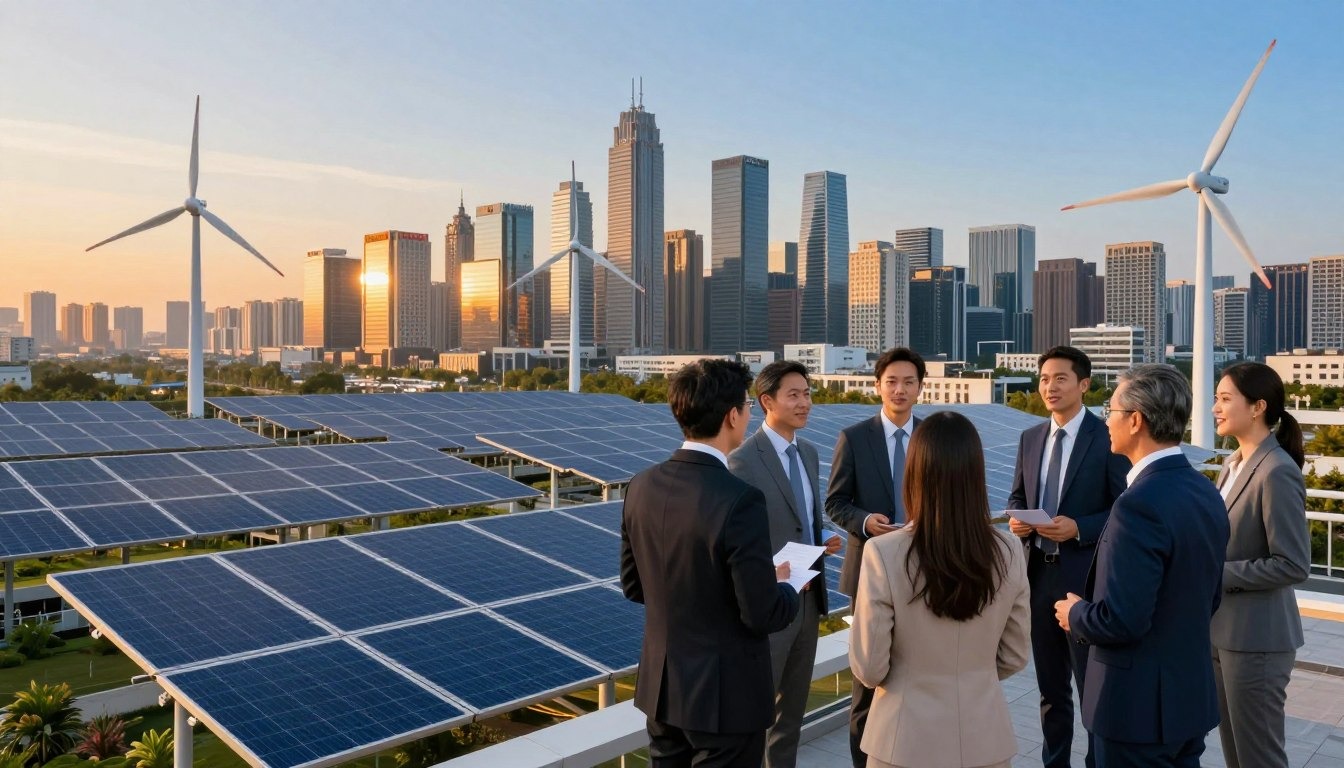
Clean Energy Investments Reach Record Highs Worldwide
We are in a transformative era where more money than ever is going into green projects. It’s clear that clean energy investments reach record highs worldwide as countries focus on long-term success.
Renewable Energy
This huge investment marks a big change in how we plan to power our future. Key factors like government support and new tech are leading this fast change worldwide.
Looking at these trends helps us understand the long-term implications for our economy. We need to study these shifts to see how they impact our planet and open up new chances for growth.
Key Takeaways
- Global capital is shifting toward sustainable infrastructure at record-breaking levels.
- Policy incentives and technological innovation act as the primary drivers for this financial surge.
- Understanding these market dynamics is essential for predicting future economic stability.
- The transition to renewable energy sources is now a central pillar of global fiscal strategy.
- Massive investments are creating a foundation for a more resilient environmental future.
The Global Surge in Renewable Energy Funding
The world’s financial scene is changing fast, with more money going into green energy. We see a dramatic increase in funds for projects that help our planet. This change shows a big commitment to keeping our environment stable for the long term.
Investors are now focusing on renewable energy more than ever before. This move is not just a trend; it’s a major shift in how we think about making power. Our research shows this trend is still going strong, even with global economic ups and downs.
Analyzing the Latest Financial Milestones
Recent reports show that funding for alternative energy has hit new highs. We’ve found several key moments that mark this increase, like record investments in solar and wind. These numbers show the market is ready to back big green projects.
The amount of money flowing into green projects is remarkable. It shows both private and public sectors believe in these technologies. By looking at these milestones, we can see how fast the world is changing.
Comparing Current Data to Previous Fiscal Years
Looking at current data compared to past years, the growth is clear. Unlike before, the money coming in now is consistent and widespread. This shows that renewable energy is now a key part of global investment plans.
There’s a big difference from the last decade. Now, alternative energy is a main part of economic plans, not just a side interest. The numbers show that investment is speeding up to meet the world’s urgent needs.
Key Drivers Behind the Record-Breaking Capital Inflow
Our analysis shows two main forces driving the surge in capital. Investors now see sustainable projects as key parts of a strong portfolio. This change shows a big push for long-term value through renewable energy investments.
The Urgency of Climate Change Mitigation
Climate change is speeding up, pushing for big changes. Old ways of making power are seen as risky because of their carbon emissions. So, money is quickly moving to alternative energy options that harm the environment less.
This move isn’t just about doing good. It’s a smart choice to avoid risks from a warmer planet. By focusing on decarbonization, investors are getting ready for an economy that needs cleaner energy.
Energy Security and Geopolitical Stability
There’s also a big push for energy independence worldwide. Countries and companies are turning to renewable energy to cut down on imported fossil fuels. This helps protect their economies from the ups and downs of global markets.
Geopolitical issues can mess up energy markets, making it hard for investors to plan for the long term. By investing in alternative energy, they can help make things more stable. This focus on being self-sufficient is a big reason for the ongoing flow of capital.
Regional Analysis of Clean Energy Investments
The map of international funding for clean energy shows clear leaders and rising stars. Capital deployment is not uniform. Specific nations currently command the vast majority of financial resources dedicated to sustainable energy.
Understanding these regional disparities is essential for grasping the global nature of the energy transition. By examining where funds flow, we can better predict which markets will lead the shift toward a low-carbon future.
Market Dominance in the United States and China
The United States and China currently stand as the undisputed giants in total investment volume for renewable power. These two nations have prioritized large-scale infrastructure projects, attracting massive amounts of private and public capital.
In the United States, robust tax incentives and a focus on domestic manufacturing have accelerated the pace of deployment. Meanwhile, China continues to leverage its massive industrial capacity to dominate the global supply chain for solar panels and wind turbines.
This concentration of capital creates a powerful momentum that is difficult for other regions to match. Both countries are effectively setting the pace for the rest of the world to follow.
Emerging Opportunities in Developing Economies
Beyond the major powers, we are witnessing a surge of interest in developing economies. These regions are beginning to attract significant international attention as they seek to leapfrog traditional fossil fuel reliance in favor of sustainable energy solutions.
Investors are increasingly looking toward Southeast Asia, Latin America, and parts of Africa for high-growth potential. These markets offer unique chances to build renewable power grids from the ground up, often with the support of international development banks.
While these regions face unique hurdles, the long-term potential for growth remains immense. We believe that as technology costs continue to fall, these emerging markets will play a critical role in the global transition.
The Role of Government Policy and Tax Incentives
Legislative frameworks are changing how money goes into renewable power projects. Governments see that the market alone can’t move fast enough for an energy shift. They use financial tools to make a stable place for long-term investment.
These moves make it easier for developers and investors to start. When risks are clear, money flows better into the sector. This mix of public rules and private drive is key for sustainable energy growth today.
Impact of the Inflation Reduction Act
In the U.S., the Inflation Reduction Act is a big win for the industry. It gives long-term tax stability for big projects. This law changes how clean tech is deployed.
The act brings several benefits for developers and investors:
- Extended tax credits for wind and solar.
- New incentives for making battery parts in the U.S.
- Support for new tech like green hydrogen and carbon capture.
- More chances for community renewable power projects.
International Subsidies and Regulatory Frameworks
Other countries are also pushing for sustainable energy. They use feed-in tariffs and auctions to keep prices stable. These rules help investors deal with global energy markets.
Working together, countries can make green energy policies better. This makes it easier to get money from around the world. It shows that renewable power is a big deal for investors looking for long-term gains.
Private Sector Participation and Institutional Capital
The world of energy financing is evolving. Now, private investors focus on long-term environmental goals. Institutional capital is leading the way to sustainable energy.
Private funding helps turn ideas into real projects. It brings together huge financial resources. This helps move from research to practical use.
The Shift Toward ESG-Focused Portfolios
Institutional investors are now guided by Environmental, Social, and Governance (ESG) criteria. This means they invest in projects with measurable environmental benefits and good financial returns.
Pension funds and insurance companies see sustainable energy as key for a strong portfolio. They reduce climate risks and support a cleaner future.
Venture Capital Trends in Green Technology
Venture capital firms are driving innovation in green tech. They invest in startups with new eco-friendly energy technologies. This includes advanced materials and smart grid software.
This investment is crucial for scaling up new solutions. Venture capitalists provide early-stage liquidity. They help bring eco-friendly energy systems to the U.S. and worldwide.
Technological Innovations Attracting New Investors
We are in a new era where clean energy is getting a lot of money. Investors want more than just solar or wind projects. They’re looking for the latest tech that fixes old grid problems. This move towards new tech is making the clean energy market very lively for investors.
Advancements in Battery Storage Solutions
Battery storage is a game-changer for today’s power grids. It lets us save power when it’s easy to make and use it when we need it most. This makes eco-friendly energy more reliable for everyone in the U.S.
New tech in lithium-ion batteries and solid-state batteries has made things cheaper. These changes help grids in many ways:
- They make grids more stable during bad weather.
- They cut down on the need for dirty energy plants.
- They help solar power work better together.
- They make batteries last longer for homes and businesses.
Breakthroughs in Green Hydrogen Production
Green hydrogen production is also making big strides. It’s key for making heavy industries cleaner, like steel and shipping. Using clean energy to make hydrogen means we get a fuel that only makes water vapor.
Investors love the growth potential of green hydrogen. As costs go down, it’s becoming a strong choice for industries. This move is a big step towards a greener future and eco-friendly energy for everyone.
Challenges Facing the Rapid Expansion of Renewable Power
Despite record-breaking investments, the growth of clean energy faces big challenges. Our progress is strong, but we must tackle major hurdles. These obstacles threaten the timeline and cost of large-scale projects. It’s crucial for leaders to understand these challenges to move forward successfully.
Supply Chain Constraints and Material Shortages
The global demand for parts has put a lot of pressure on makers. We’re seeing persistent material shortages that slow down the delivery of key items like solar panels and wind turbine blades. These delays often raise project costs, which can slow down even the best plans.
Also, our use of specific raw materials makes us vulnerable. When global logistics get disrupted, the whole sector feels it. We need to find new sources to keep the shift to clean energy strong against market changes.
Grid Infrastructure and Interconnection Hurdles
Our power grid needs a big update to handle more renewable resources. It was made for old fossil fuel plants, not today’s wind and solar farms. This makes it hard for new projects to connect.
The process of connecting to the grid is a big problem for developers in the U.S. Projects often wait years for approval, causing uncertainty and lost money. We must focus on improving our grid to make sure renewable resources reach those who need them.
Economic and Environmental Impacts of Sustainable Energy
We are seeing a big change with the use of clean energy leading the way in economic growth. This change does more than just cut down on pollution. It also sets up a strong base for financial stability in the long run. By moving away from old energy sources, we open up new ways for innovation and wealth worldwide.
Job Creation and Economic Growth Potential
The growth of renewable resources infrastructure is a big boost for jobs. New jobs in making, setting up, and fixing these systems are popping up. These jobs often pay higher wages and offer more job security than old energy jobs.
The economic gains go beyond just jobs. Local areas see a rise in services and tax money when new projects start. Here’s how this growth shows up:
- Increased demand for special engineering and tech skills.
- Renewal of manufacturing centers through solar panels and wind turbines.
- More energy independence, protecting local economies from price swings.
- Long-term savings for businesses switching to efficient, green power.
Long-term Carbon Reduction Targets
Meeting global climate goals needs fast and steady use of clean energy tech. These renewable resources are key for any plan to keep global warming in check. Without a big change in power generation, hitting net-zero goals is out of reach.
Seeing these investments as key for our future is crucial. By focusing on sustainable development now, we make sure our environmental goals are reachable. This push for a greener grid helps our economy and environment grow strong for many years to come.
Future Projections for the Global Energy Transition
We’re moving fast toward a sustainable future by 2030. The shift to green energy is more than a trend. It’s changing the world’s economy. We need to plan and invest wisely for a stable future.
Scaling Up Infrastructure for 2030 Goals
To hit our 2030 goals, we must update our power grids. Today’s systems can’t handle the new power sources. Upgrading these networks is key to supporting clean energy for industries.
- Expanding high-voltage lines to connect remote power plants.
- Using smart grid tech to manage power flow in real-time.
- Boosting battery storage for peak demand.
- Updating local grids for local power generation.
The Path Toward Net-Zero Emissions
Getting to net-zero emissions means using many renewable energy sources together. We can’t rely on just one tech for the world. Wind, solar, hydro, and geothermal must work together.
Reaching these goals needs strong commitment from everyone. By using different renewable energy sources, we avoid supply chain and climate risks. This keeps our transition steady and strong.
The move to green energy will change how we see the environment. We’re hopeful for a cleaner, better world through innovation and teamwork. The journey is tough, but a sustainable economy is within our grasp.
Conclusion
We are entering a new era with clean power and caring for our planet. A lot of money is going into green energy projects. This shows a big change in how we make and use electricity.
This change means sustainable solutions are now driving economic growth. It’s a big step forward.
We need to keep working together to reach our goals. Both the government and private companies must act. By using many types of renewable energy, we make our grid stronger.
This change is crucial for our health and future success. It’s a step we must take together.
Keep up with the latest in green energy. Supporting local projects helps bring cleaner tech to your area. Together, we can make sure renewable energy stays key in our plans for the future.
The path to a net-zero future is clear. Our involvement is what makes a difference.
FAQ
Why have clean energy investments reached record highs worldwide in recent years?
A big change is happening. More money than ever is going into clean energy. This is because we need to fight climate change, technology costs are dropping, and we want energy security.As we look to the future, we’re making a big shift. We’re valuing clean energy more in our global investments.
Which regions are currently leading the surge in renewable power funding?
The U.S. and China are leading in renewable energy funding. China is a big player in solar and wind. The U.S. is seeing more projects start up.Also, new countries are starting to get more attention. They’re looking to use alternative energy as they grow.
How does the Inflation Reduction Act impact the growth of green energy in the United States?
The Inflation Reduction Act is a big help for green energy. It offers tax breaks and subsidies for a long time. This makes it easier to invest in big renewable projects.It also makes it safer to invest in green energy. This act is helping the government and private companies work together better.
What role do institutional investors play in the transition to renewable energy sources?
Institutional investors are key in switching to renewable energy. They’re focusing more on investments that are good for the planet. Big companies like BlackRock are leading this change.This means more money is going into renewable energy. It helps us move away from dirty energy and towards cleaner options.
What technological innovations are currently attracting the most interest from investors?
Investors are really interested in battery storage and green hydrogen. Companies like Tesla and NextEra Energy are working on solving problems with renewable energy. These solutions are important for keeping the grid stable.They’re also key for making renewable energy work on a big scale.
What are the primary challenges we face when expanding renewable energy infrastructure?
Despite all the money going into renewable energy, we face big challenges. We need to deal with supply chain issues and material shortages. We also need to update our old grid to handle new projects.Fixing these problems is crucial for keeping the energy transition going.
How do these record investments contribute to long-term carbon reduction targets?
These investments help us reach our goal of zero emissions. They help us switch from dirty energy to clean energy. This is key for meeting global agreements like the Paris Agreement.By going green, we protect the planet and create jobs worldwide.
What is the future outlook for the global transition to renewable resources?
We’re hopeful about the future. Clean energy investments are growing, and we’re making progress. We’re building a better world with more renewable energy.Our focus on different types of renewable energy will help our planet and economy.












Post Comment