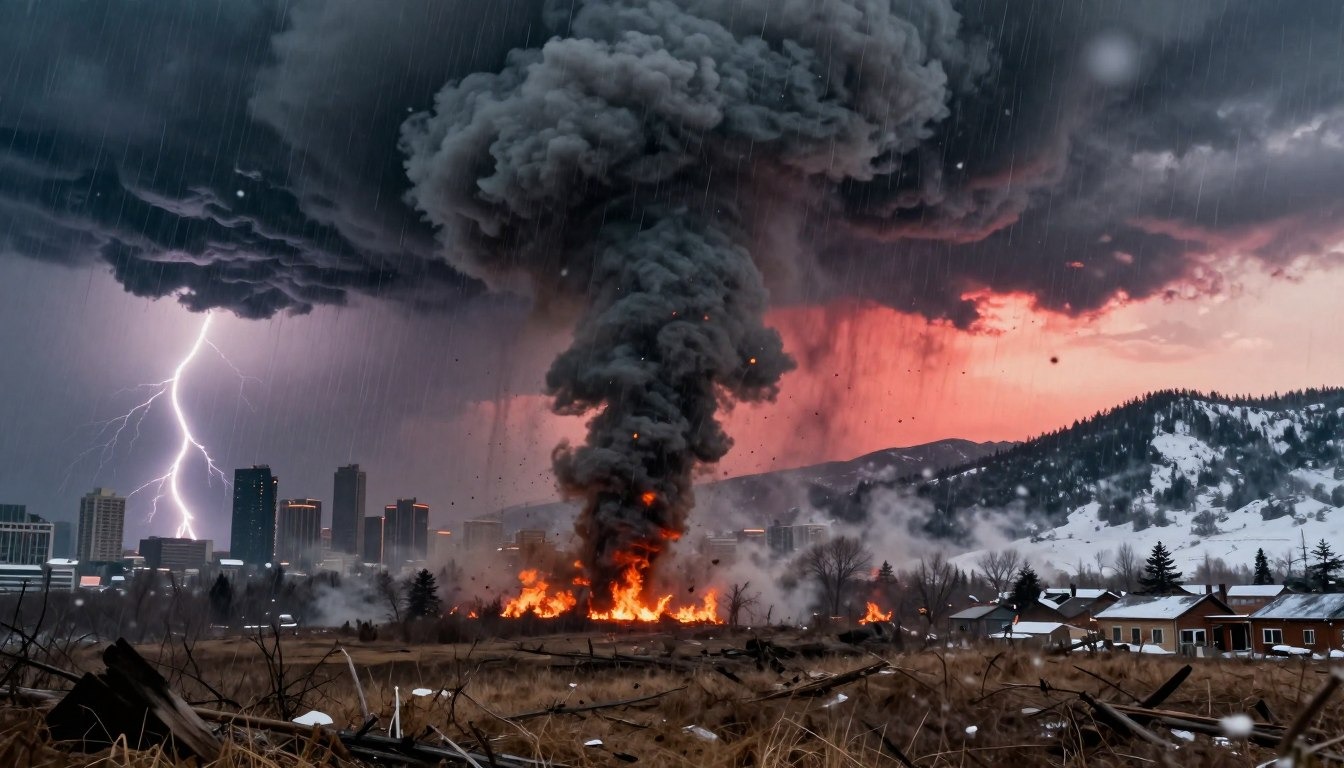
Extreme Weather Events Intensify Across Multiple Continents
We are seeing a big change in our world. Extreme weather events intensify across multiple continents, showing a dangerous new reality for our planet.
These events are not just random. They are part of a bigger crisis that needs our quick attention and understanding.
Climate Change
We need to look at how Climate Change causes these unpredictable and often disastrous weather changes. By studying these patterns, we can get ready for what’s coming.
We aim to explain why these storms, heatwaves, and floods are becoming the norm. We encourage you to look at the data behind these extreme weather events and what they mean for our future together.
Key Takeaways
- Global weather patterns are shifting toward more frequent and severe outcomes.
- These events are interconnected rather than isolated local occurrences.
- Environmental instability is a primary driver of current meteorological trends.
- Understanding these shifts is essential for global preparedness and safety.
- We must address the root causes to mitigate future catastrophic impacts.
The Global Surge in Meteorological Volatility
Our planet is facing a time of extreme weather changes. These changes are happening on every continent. The old weather patterns are disappearing, replaced by a new, unpredictable climate.
As extreme weather events intensify across multiple continents, we see our environment changing fast. This change is happening at a speed we’ve never seen before.
Defining the New Normal in Weather Patterns
We used to rely on old data to predict the weather. But this method is no longer working. The new normal means we can’t count on the old seasonal patterns anymore.
This change makes us rethink how we design cities and manage resources. Since the climate is unstable, we must get ready for extreme conditions. Adapting to this volatility is a big challenge for everyone around the world.
Observing Frequency and Intensity Trends
The data shows that global warming is making severe storms, heatwaves, and floods more common. These events are not just happening more often. They are also getting stronger than ever before.
This suggests that our atmosphere is trapping more energy. This energy change is altering how weather systems work. We see extreme weather events causing huge damage to our infrastructure. As the planet warms, our climate system’s feedback loops are getting stronger. It’s crucial to understand these patterns to deal with the risks of a changing world.
Climate Change as the Primary Catalyst
The world is warming up fast, leading to extreme weather. Climate Change is the main cause of this environmental instability. It’s changing our natural systems in big ways.
The Physics of Warming Atmospheres
Our atmosphere traps more heat than before. This is because of more greenhouse gases. It’s making our weather less predictable.
Several factors are causing this change:
- Greenhouse gases absorb more solar radiation.
- Jet streams move slower because of temperature changes.
- Heat stays longer in the lower atmosphere.
- Ocean currents are also changing.
How Rising Temperatures Fuel Storm Systems
Warmer air means more moisture, which fuels storms. This makes storms more destructive. Global warming turns normal weather into disasters.
Researchers know how this works. Warmer air means more energy for storms. This leads to intense rainfall and strong winds.
The link between global warming and extreme weather is clear. By understanding this, we can prepare for the future. Our climate is changing because of these physical changes.
North American Heatwaves and Drought Patterns
Extreme heatwaves and droughts are changing North America’s climate. These issues are now common, not rare. Our communities must adjust to a new reality where high heat is the norm.
Record-Breaking Temperatures in the United States
U.S. cities are facing unprecedented thermal spikes. These cities, built for milder weather, struggle to cool down. This puts a strain on our energy and health systems.
“The rapid escalation of extreme heat events serves as a clear signal that our climate is shifting in ways that demand immediate and sustained attention.”
Water Scarcity and the Western Drought Crisis
The Western U.S. is facing a severe water crisis. Reservoirs are at historic lows, forcing tough water decisions. Aquifers, crucial for growth, are being depleted.
Impact on Agricultural Yields
These issues harm our crops and food supply. Farmers struggle to grow crops with dry soil. Securing our food future means managing water better in dry times.
European Flooding and Infrastructure Vulnerability
We are seeing a big change in how water affects European landscapes. Lately, there have been many devastating floods in the continent’s heart. These floods are no longer rare but are now a big threat to safety.
Unprecedented Rainfall Events Across Central Europe
Central Europe has seen rain that’s never been seen before. These heavy rains fill rivers and drainage systems fast. The water often goes beyond what natural and man-made barriers can handle, causing a lot of damage.
These storms often stay in one place for too long. They dump a lot of rain in just a few days. This leads to catastrophic flash flooding that surprises everyone. The speed of these floods makes old warning systems less useful.
The Challenge of Aging Urban Infrastructure
Many European cities have drainage and flood defense systems that are old. These systems were made for a climate that’s not the same anymore. When heavy rain comes, they can’t handle it.
Our cities face big problems because of several key issues. We need to fix these problems fast:
- Outdated sewer networks that can’t handle sudden water.
- Impermeable surfaces like concrete that stop water from soaking in.
- Insufficient flood barriers that can’t keep up with rising rivers.
- Lack of integrated water management to move water away from cities.
We need to make our cities stronger against floods. We should invest in green solutions like permeable pavements and wetlands. Without these steps, the costs of these disasters will keep going up.
Asian Monsoon Disruptions and Coastal Threats
Millions of people in Asia face a precarious future due to changing weather patterns. The rains that have supported civilizations for centuries are now unpredictable. This uncertainty is a big worry for those who depend on the land for survival.
Shifting Monsoon Cycles and Food Security
Asia’s agricultural lands rely on the monsoon rains to grow crops. But when these rains don’t come as expected, it leads to drought and flash floods. This hurts the food supply for billions, making it hard for farmers to plan.
The timing and strength of the rains are getting more unpredictable. This forces communities to adapt fast, but many can’t afford to protect their crops. The human cost of this instability is immense, as families fight to keep their livelihoods in a changing world.
Rising Sea Levels and Coastal Population Risks
Coastal areas also face a big threat from rising sea levels. Many of the world’s most crowded cities are by the sea. As the ocean rises, the danger of mass displacement and infrastructure failure grows.
Low-lying areas are especially at risk from storm surges that go further inland than before. We must act fast to protect coastal residents. This means focusing on climate adaptation and disaster planning to avoid big humanitarian crises.
African Desertification and Agricultural Instability
The Sahel is changing fast, with the desert moving closer to the heart of the region. This area, between the Sahara and the green savannas, is losing land quickly. The changes here are a big warning for our whole planet.
Expanding Arid Zones in the Sahel
The Sahel is getting drier because of unpredictable rains and warmer temperatures. The desert is moving south, making the soil dry and unable to hold water. This makes the land unable to grow plants.
Traditional grazing areas are disappearing fast. This forces people to move, leading to more competition for what’s left. The land itself is changing because of these weather changes.
The Human Cost of Crop Failure
Crops are failing, leading to severe food shortages for millions. Families who have farmed for generations can’t make a living anymore. This is a big problem.
We need to change how we manage land and help people. We should focus on farming that can survive droughts. We can’t ignore the human cost of not acting.
South American Wildfires and Ecosystem Collapse
We are seeing a big change in South America’s ecosystems because of fires. These fires are not just random events. They are a systemic threat to the continent’s natural beauty. As temperatures rise, the land becomes more likely to burn catastrophically, changing the environment for years.
Deforestation and the Amazon Basin
The Amazon Basin, known as the lungs of the Earth, is under a lot of pressure. Deforestation and industrial growth are causing big problems. When forests are cut down, the area becomes dry and ready to burn.
This leads to more fires. Human actions like clearing land are the main reason for these fires. Without help, the Amazon will keep getting worse.
Loss of Biodiversity and Carbon Sinks
The fires have big effects beyond just burning trees. They cause a rapid decline in biodiversity as many species lose their homes. These species are found nowhere else, so losing them is a big loss for science.
Also, the fires harm the forests’ ability to absorb carbon. These forests are key for taking carbon out of the air. Losing them means more greenhouse gases, making the climate problem worse.
The Economic Toll of Escalating Disasters
Our global financial systems face a big challenge as natural disasters happen more often. These disasters affect markets everywhere, from small businesses to global trade. They make us think differently about valuing assets and managing risks in a changing world.
Insurance Market Instability and Rising Premiums
The insurance industry is going through a time of extreme volatility. Weather-related claims are at an all-time high, making insurers rethink their risk models. This often means higher premiums for homeowners and businesses in risky areas.
Some big insurers are leaving high-risk markets. This leaves property owners with fewer choices and creates a precarious financial landscape for communities. The old insurance model can’t keep up with environmental changes.
The Cost of Disaster Recovery and Mitigation
The public sector has a huge burden in disaster recovery. Governments spend billions on emergency response and rebuilding infrastructure. These staggering costs often take away from other important programs.
Investing in long-term mitigation is now a financial necessity. By improving power grids, flood defenses, and building codes, we can lessen future disaster impacts. Spending now will save us from the high costs of recovery later.
Scientific Consensus on Greenhouse Gas Emissions
Experts worldwide agree on the main causes of environmental problems. They say greenhouse gas emissions are key to the changes in our atmosphere. This agreement helps us understand how human actions affect our planet.
Tracking the Carbon Footprint of Industrial Nations
We need to look at the carbon footprint of big industrial countries. These nations play a big role in pollution through factories, energy, and cars. By tracking these emissions, we see the size of the issue.
Several things make carbon levels in rich countries go up:
- Using a lot of coal and gas for power.
- Industrial activities that release methane and carbon dioxide.
- Transport systems based on gas and diesel engines.
- Clearing forests for more farms.
The Link Between Fossil Fuels and Extreme Weather
Using fossil fuels links to more extreme weather events today. More carbon in the air means more heat trapped in our climate. This speeds up Climate Change, causing more severe weather.
Data shows a strong link between fuel use and environmental problems. Burning fossil fuels messes with our ecosystem’s balance. This leads to extreme weather events that harm our communities and economies. Cutting our carbon footprint is crucial to fight Climate Change caused by too much greenhouse gas emissions.
Policy Shifts and the Push for Renewable Energy
We need bold climate action and global teamwork to move toward a sustainable future. Our current energy systems must change to avoid environmental disasters. By linking economic goals with nature’s needs, we can build a stronger world.
International Climate Action Agreements
Global treaties are key for environmental progress. The Paris Accord sets a plan for countries to cut greenhouse gas emissions big time. These agreements help countries work together toward sustainability goals.
These efforts change how big countries handle their environmental duties. We can see how well we’re doing by checking our carbon footprint progress. This openness keeps us moving forward in the fight against climate change.
Transitioning to Sustainable Energy Grids
Switching from old energy sources is a big challenge but it’s needed. We must update our power systems to use renewable energy like wind and solar. This requires a lot of money for better grid and storage tech.
As we close old, polluting plants, we make room for cleaner energy. This move helps our planet and boosts green tech innovation. Keeping the energy flow steady is our main goal as we build a better network.
The Role of Government Incentives
Government support is a big help for green tech adoption. Tax breaks and subsidies make renewable energy easier for everyone to use. These tools help start clean energy projects.
Good climate policy makes the switch fair and fast. When governments support green energy, they help get rid of old, dirty energy fast. We think this support is key for real climate action soon.
Conclusion
We are at a key moment where our choices shape the future of our planet. Extreme weather patterns call for a global response. We need to take real steps to protect our communities from more harm.
Switching to renewable energy is crucial for this change. Using wind, solar, and geothermal power cuts down on fossil fuel use. This move helps our economy and environment in the long run.
Effective climate policy is essential to lead these changes. Governments and businesses must set standards that focus on sustainability. This way, we can ensure a livable world for those who come after us.
Our shared dedication to these goals will decide our success. We have the tools and knowledge to create a safer future. It’s time to act with determination and purpose.
FAQ
Why do extreme weather events intensify across multiple continents simultaneously?
Climate change is making our weather more extreme. It changes how our atmosphere works. This leads to more severe weather worldwide, not just in one place.
How does our collective carbon footprint contribute to storm intensity?
Burning fossil fuels increases greenhouse gases. This extra heat makes storms stronger. So, we see more powerful hurricanes and typhoons than before.
What are the risks of the current Western drought crisis in the United States?
The West is facing severe drought and heat. This threatens our water and food. The U.S. Bureau of Reclamation warns about low reservoir levels, affecting power and food.
Why is aging infrastructure in Europe failing during heavy rainfall?
Europe’s old buildings can’t handle today’s rain. Extreme weather is too much for them. We need to update these systems to keep our cities safe.
How does climate change impact food security in Asia and Africa?
Climate change is changing weather patterns in Asia and Africa. This hurts farming and food supplies. The IPCC says this is a big problem for food security.
What is the significance of the Amazon Basin’s wildfires for the rest of the world?
The Amazon is key for our planet’s health. Wildfires there harm biodiversity and release CO2. This makes global warming worse and hurts our efforts to fight it.
How is the insurance market responding to the rise in natural disasters?
Insurance companies are facing big challenges. They’re raising prices and changing policies due to more disasters. This is making insurance harder to get and more expensive.
What role does climate policy play in the transition to renewable energy?
Good climate policies are crucial. They help us switch to cleaner energy. Laws like the Paris Agreement and the Inflation Reduction Act support this change.
Can immediate climate action still mitigate the worst impacts of global warming?
Yes, acting fast is our best chance. We need to focus on sustainability and clean energy. This can help reduce emissions and stabilize our weather.









Post Comment