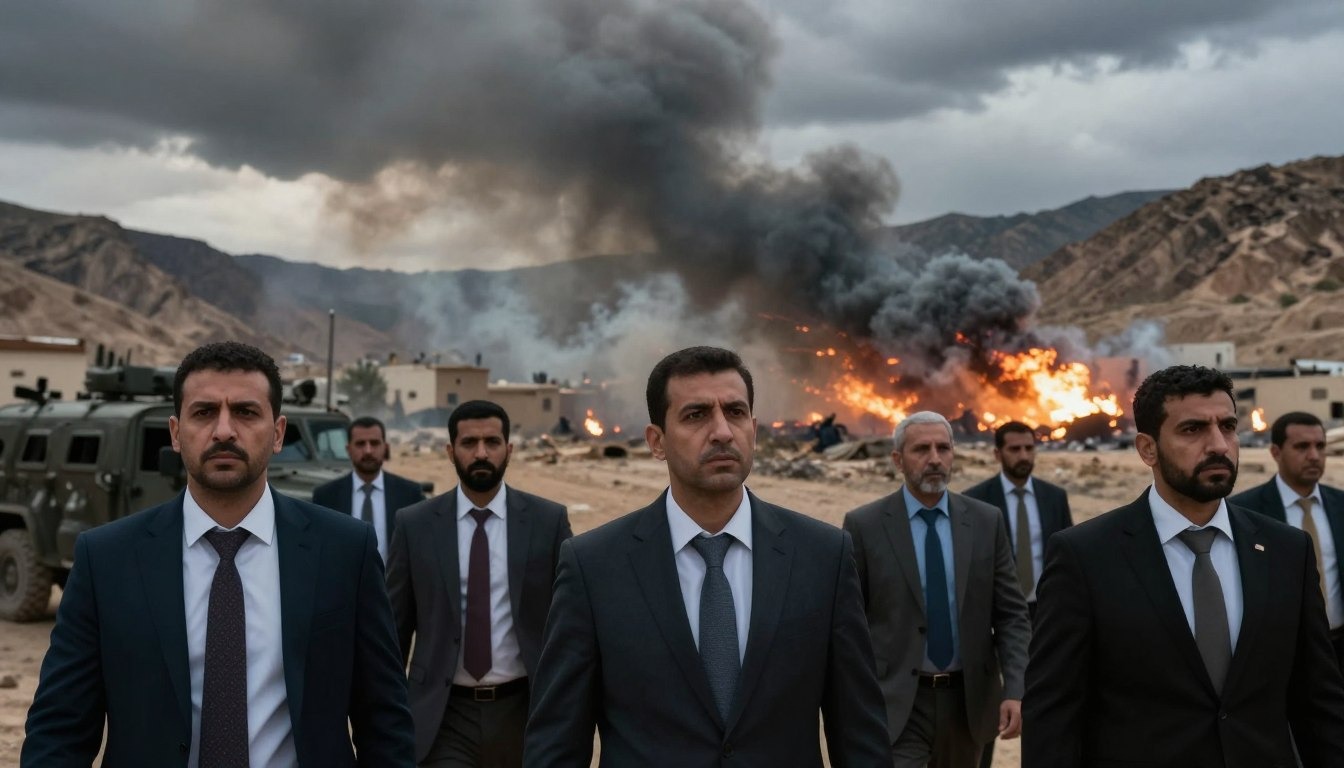
Middle East on Edge: Hezbollah Rejects Ceasefire, Raising Fears of Wider Conflict
We are at a critical moment in global politics. Talks for peace have hit a roadblock, leaving the Middle East on edge: Hezbollah rejects ceasefire, raising fears of wider conflict. This change in words points to a possible increase in military actions.
The situation is changing fast and is very unstable. Not wanting to calm down the situation could bring more countries into the mix. This makes things even more complicated. We see that Middle East tensions continue to threaten peace, making it urgent for everyone to understand the situation clearly.
Middle East tensions continue
Key Takeaways
- Diplomatic negotiations for a ceasefire have officially stalled.
- Hezbollah’s rejection of peace terms signals a potential escalation in military activity.
- The current geopolitical environment remains highly volatile and unpredictable.
- International actors face an increased risk of being drawn into the regional struggle.
- Clear communication is essential to prevent further destabilization in the area.
The Current State of Hostilities
The Middle East conflict escalates, and the Blue Line is seeing more violence than ever. This change in border dynamics between Lebanon and Israel is very dangerous. It could make the whole area unstable.
Recent Escalations Along the Blue Line
Things are getting worse along the de facto border. We’ve seen a significant tactical shift in recent weeks. Both sides are now more aggressive than before.
This increase in cross-border fire means the rules of engagement are changing fast. Military maneuvers are happening more often. This shows that the chance of a big fight is higher than it has been in years.
The Breakdown of Communication Channels
The region used to rely on secret talks to keep things calm. Sadly, these important talks have mostly stopped. This leaves little chance for peace.
Without these talks, the risk of war is much higher. The lack of dialogue makes it hard for either side to show they want peace. This is why regional tension in the Middle East is growing.
We think the risk of mistakes is very high without these talks. The situation is very uncertain. This makes things even more dangerous for everyone involved.
Middle East tensions continue to escalate
To understand the violence, we look at the history leading up to it. Knowing these roots helps us see why Middle East tensions continue to be a big story worldwide.
Historical Context of the Current Standoff
The border area has been a hot spot for years. It’s marked by changing alliances and unresolved land issues. These old problems guide today’s leaders’ decisions.
History shows that violence rarely stops with military action. It usually makes things worse and makes peace harder to find.
“The past is never dead. It’s not even past.”
William Faulkner
The political unrest in the Middle East is linked to its history. Leaders use these stories to explain their actions.
Patterns of Cross-Border Fire
Over time, conflicts have changed. What started as small fights has turned into bigger, longer battles.
Several things have led to this increase:
- Better weapons in the region.
- Less use of old ways to calm things down.
- More outside help for local groups.
This shows how Middle East tensions continue to risk peace. Without a change in political unrest in the Middle East, these fights will keep happening. This makes life hard for everyone near the border.
Hezbollah’s Strategic Rejection of Ceasefire Terms
The Middle East conflict escalates, and Hezbollah’s refusal to accept ceasefire terms is complex. They see these offers as threats to their influence in the region. Their goal is to stay strong in a dangerous world.
Core Demands and Political Positioning
Hezbollah wants agreements that meet their security and political needs. They see their fight as a defense against outside forces. This helps them keep their supporters loyal.
They focus on strategic positioning to avoid looking weak. They don’t want to give up anything that could harm their image.
Their main demands are:
- Guarantees against future military attacks.
- Recognition of their role in regional security.
- Keeping their current military strength.
The Role of Internal Lebanese Pressures
Political unrest in the Middle East affects Lebanon too. The country is facing economic troubles and political divisions. This makes Hezbollah’s situation even harder.
By staying firm, they try to show they are stable and strong. This helps them keep their support at home.
This situation makes it hard for them to accept peace talks. They need to balance their military goals with keeping power in Beirut. So, finding peace is a big challenge.
Diplomatic Efforts and International Mediation
The geopolitical tensions in the Middle East need urgent help from the world. Western diplomats are working hard to stop a big war. They aim to create a stable situation to stop more fighting.
The Role of Western Envoys in De-escalation
Diplomats are in a tough spot, trying to keep talks going when things are very tense. They act as messengers between groups that don’t talk to each other. Keeping these talks going is key to avoiding a big war.
They travel back and forth between key cities to try and get a break in fighting. They hope these breaks will lead to lasting peace. But, it all depends on everyone being willing to work together.
Challenges Facing Regional Peace Initiatives
Peace efforts face big challenges. A big problem is the deep-seated mistrust between the groups. This makes it hard to agree on basic security promises.
Also, when some groups focus more on winning than talking, it’s hard for outsiders to help. To solve these geopolitical tensions in the Middle East, we need a real change in how everyone sees their safety.
The Humanitarian Impact on Border Communities
The ongoing Middle East crisis hits hard on those near the border. Families are forced to leave their homes, losing their way of life and history.
Displacement Trends in Northern Israel and Southern Lebanon
Thousands of people have lost their homes, creating a huge displacement issue. In northern Israel, towns are evacuated for safety. Southern Lebanon faces harrowing conditions as people flee artillery fire.
This mass movement is hard on host communities and governments. Families live in temporary shelters, unsure of their future.
Infrastructure Damage and Economic Consequences
The ongoing Middle East crisis has destroyed key infrastructure. This includes power, water, and medical facilities. It’s hard for those left to get basic services, adding to the humanitarian misery.
The economic impact is severe for local businesses and farms. They need stability to survive. The challenges are:
- Loss of income for small business owners and farmers.
- Destruction of homes and community centers.
- Disruption of education for children in conflict zones.
- Limited access to emergency healthcare and supplies.
The ongoing Middle East crisis scars border communities deeply. The road to recovery is unclear, with military threats blocking progress.
Military Posture and Regional Defense Readiness
The ongoing Middle East crisis has led to a big change in how military forces are ready to fight. Both sides are changing their military plans to deal with new threats. This change shows a move towards longer, more complex battles.
Assessment of Hezbollah’s Arsenal and Capabilities
Hezbollah has grown its military power, focusing on long-range weapons. They have precision-guided bombs and advanced rockets that can hit far into enemy territory. Tactical readiness is key for them, as they work on being quick and hard to find.
The group has set up flexible command systems to keep fighting even in a war. They use hidden tunnels and mobile launchers to stay a threat. This makes it hard for their enemies to defend against them in the ongoing Middle East crisis.
Israel’s Defensive Strategy and Operational Preparedness
Israel is strengthening its defenses and getting its military ready for action. They focus on advanced missile defense systems like Iron Dome and David’s Sling to protect cities. These systems are key in stopping the many types of attacks.
Israel is also improving its spy skills to find and stop threats early. They do regular drills and place troops strategically to quickly respond to any attack. These steps are crucial in their plan to handle the ongoing Middle East crisis safely.
Geopolitical Implications for the United States
Geopolitical tensions in the Middle East are changing how the United States plans its strategies. Policymakers face a tough choice: support allies or avoid a big war. This balance is key to American foreign policy today.
Strategic Interests in Regional Stability
The United States is committed to keeping the Middle East stable. This is to protect its interests, like keeping energy supplies safe and fighting extremist groups. Maintaining a predictable regional order is crucial for the U.S. and its allies’ economic well-being.
“The United States remains steadfast in its commitment to the security of its partners, yet we must prioritize diplomatic avenues to avoid a catastrophic regional war.”
— Anonymous Foreign Policy Analyst
The current turmoil could harm years of diplomatic work. If the conflict grows, the U.S. might have to use more resources elsewhere. This shows why preventative diplomacy is so important right now.
The Impact on Broader Middle Eastern Alliances
The crisis is testing the strength of alliances in the region. Many countries are watching how the U.S. handles these tensions. Our alliances are under pressure to adjust to a changing security scene.
The future of these alliances depends on several factors:
- The strength of the Abraham Accords under pressure.
- The U.S.’s ability to reassure Gulf partners of its commitment.
- Managing the interests of regional actors and Western security goals.
The United States must show consistent leadership to keep alliances strong. By working together, we aim to reduce the risks of the current escalation. The way forward involves a mix of military strength and strong diplomacy.
Analyzing the Risk of a Wider Regional War
The situation is fragile, and managing the risk of spillover is getting harder. The Middle East instability makes it volatile. Even a small mistake could start a big war. We need to watch how local fights could turn into a big crisis.
Potential for Spillover into Neighboring Territories
The risk of the fight spreading to other areas is a big worry. If we can’t stop it, more countries might get involved. This Middle East instability could drag nearby countries into violence they can’t handle.
When different groups get involved, it makes stopping the violence harder. If they start new fights, the war could grow fast. This would make countries rethink their defenses, making things worse.
The Domino Effect on Regional Security Architectures
A bigger war could destroy the security systems that kept the area stable. We think the domino effect could break down diplomatic ties in the Middle East. This would leave many countries open to outside pressure and internal problems.
The breakdown of these systems comes from ongoing Middle East instability. As alliances are tested and power shifts, the risk of a big breakdown grows. We must stay alert, as a small fight could become a global issue.
Perspectives from Regional Stakeholders
The Middle East is facing tough times due to different interests and goals. These differences make it hard to find a common solution to the crisis. The Middle East instability makes every diplomatic step very important.
Views from Tehran and Regional Proxies
Tehran uses its allies to show its power and shape the conflict. These groups follow Iranian plans, aiming for long-term regional dominance. They stand strong against threats from outside.
This stance makes the Middle East instability worse. Tehran supports militant groups to keep its interests at the center of talks. This way, it tries to gain power without direct fights.
The Stance of Arab Nations on the Conflict
Many Arab countries are worried about the rising violence. They fear it could harm their security and economy. They want to keep their trade and investment safe.
These nations are working hard to limit the damage from the clashes. They don’t want to get involved in a big war that could hurt their freedom. With different goals, finding a united plan is hard. Each country is focused on its own safety, making a common strategy tough.
Conclusion
The standoff between Hezbollah and Israel shows a fragile situation at the border. The refusal to accept ceasefire terms has made the situation more dangerous. This highlights the need for updated diplomatic efforts to handle the changing security situation.
Without a change in how leaders think, the chance of a bigger war is still there. It’s crucial for leaders to work towards peace to avoid more harm in Lebanon and Israel. Our research shows that time for peaceful solutions is running out fast.
International players have a key role in shaping the future of this unstable region. We call on global leaders to step up their mediation efforts to reduce tensions in the Middle East. Achieving lasting peace requires real commitment to talking, not just military actions. We encourage our readers to keep up with these important updates.
FAQ
Why is the Middle East on edge: Hezbollah rejects ceasefire, raising fears of wider conflict?
Hezbollah’s refusal to accept a ceasefire has marked a critical turning point. This move has stalled diplomatic efforts. It has raised the risk of a full-scale regional war to its highest point in years.By focusing on its military goals, Hezbollah has put international actors at risk of getting involved. This could lead to a more intense conflict.
What is the current situation as the Middle east conflict escalates along the Blue Line?
The conflict along the Blue Line has escalated. It has moved from small skirmishes to large, aggressive exchanges. The collapse of back-channel talks has removed safety buffers.Without these talks, both sides are taking more aggressive stances. This increases the chance of a major military fight.
Why do Middle east tensions continue to persist despite international mediation?
Tensions persist due to a cycle of violence and historical grievances. Current strategies are shaped by decades of conflict. Political unrest also hinders long-term solutions.Past conflicts influence today’s actions. This makes finding peace difficult.
How are Western envoys addressing the geopolitical tensions in the middle east?
Diplomats from the U.S. and France are working hard to prevent a total breakdown. However, they face big challenges. The mistrust between key players is deep.International efforts are limited when regional actors value military strength over diplomacy. This makes the job of Western envoys very tough.
What factors drive Hezbollah’s strategic rejection of ceasefire terms?
Hezbollah’s decision is influenced by its ideology and internal Lebanese pressures. The group faces economic instability and political division in Beirut. By rejecting the ceasefire, Hezbollah aims to keep its influence and fulfill its goals.This choice complicates the chances for immediate peace.
What is the human cost of the ongoing middle east crisis?
The crisis has caused widespread displacement in Northern Israel and Southern Lebanon. There is extensive damage to infrastructure and an economic crisis in border areas.As the crisis continues, it’s getting harder for locals to get basic services. This shows the severe impact on civilians.
How does middle east instability affect regional military readiness?
Both sides are strengthening their military positions. Hezbollah has shown off its long-range weapons, while Israel has improved its defenses with systems like Iron Dome.This instability has pushed both sides to be highly ready for action. Even a small move could lead to a big fight.
How does political unrest in the middle east impact United States foreign policy?
The U.S. is facing a tough challenge in supporting allies while avoiding a wider war. The unrest threatens to change American alliances and stability in the region.This situation forces the U.S. State Department to carefully balance military support and the need for peace. It’s crucial to protect long-term interests.
Is there a risk that regional tension in the middle east will lead to a wider war?
Yes, there’s a big risk of a “domino effect” leading to a wider crisis. If the conflict spreads, it could destroy security systems and draw in Iran.Our analysis shows that the breakdown of deterrence has made a global crisis more likely. The risk of a localized conflict turning into a global one is high.










Post Comment