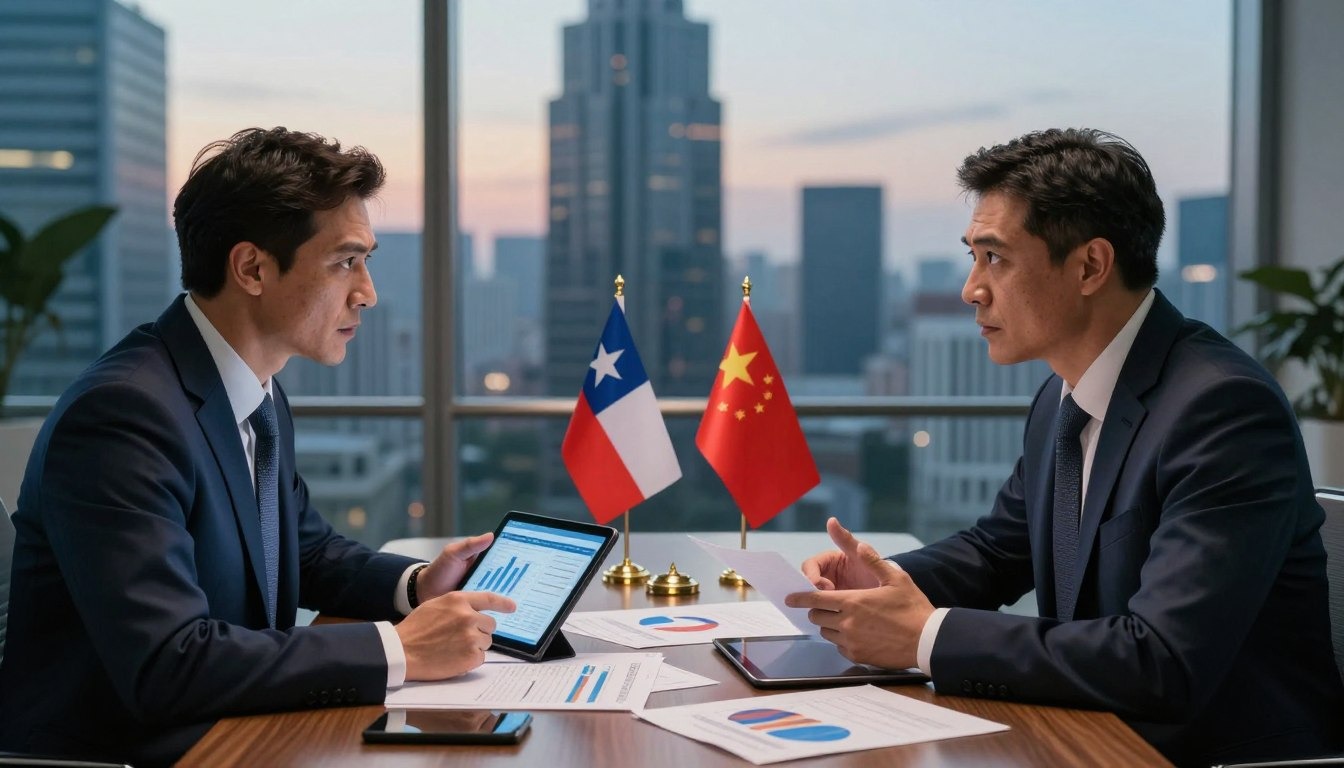
Economic Powers Clash Over Tariffs and Trade Policies
We are seeing a big change in how countries work together globally. Economic powers clash over tariffs and trade policies, making international markets unstable. These moves are meant to help home industries but can hurt consumers and businesses.
Trade Wars
Today’s trade wars change how countries talk about trade. Governments use tariffs to change supply chains and help local makers. We need to look at this to see how it affects the U.S. and the world’s finances.
Using strict trade policies means moving away from working together. This change is big. We aim to find out why these fights happen and what they mean for global trade’s future.
Key Takeaways
- Global economies are increasingly adopting protectionist measures to safeguard domestic industries.
- The strategic use of import taxes is fundamentally reshaping international supply chains.
- These conflicts create significant uncertainty for businesses operating within the United States.
- Understanding the drivers of these tensions is essential for navigating the current financial landscape.
- The shift toward aggressive economic strategies marks a departure from traditional collaborative models.
The Current Landscape of Global Trade Tensions
Nations are now moving away from open markets to more restrictive policies. This change marks a shift from the globalization of the late 20th century. Today, the global economy faces many challenges that could disrupt long-standing trade relationships.
Escalation of Protectionist Measures
The rise of protectionism is a key feature of modern politics. Governments are focusing more on domestic production to protect their industries. This is shown in several ways:
- Higher tariffs on imported goods to help local manufacturers.
- More subsidies for domestic firms to compete better.
- Tighter rules that make it harder for foreign companies to enter the market.
These actions are part of a larger strategy to gain economic power. As countries put up these barriers, international trade disputes are becoming more common and difficult to solve. This makes it hard for businesses that depend on smooth cross-border trade.
Shifting Alliances in International Markets
Countries are looking for new partners to secure their supply chains. We see a trend toward forming regional groups to reduce the risks of global conflicts. These alliances focus on security and shared values more than just economic benefits.
The fragmentation of the global economy forces nations to choose between traditional multilateralism and the safety of smaller, more cohesive trade groups.
This shift is fundamentally changing the global economy by creating different areas of influence. While these new partnerships offer some protection, they also risk making international trade disputes worse. The move toward protectionism suggests that future commerce will be shaped by strategic competition rather than open cooperation.
Understanding the Mechanics of Modern Trade Wars
Looking into international trade, we see how countries use policy to get ahead. Today, economic policy is key for influencing the world stage. Strategic maneuvering shapes the movement of goods and services across borders.
How Tariffs Function as Economic Weapons
Tariffs are at the center of these disputes. They are taxes on imports, meant to protect home industries from foreign competition. This protectionism pushes trading partners to negotiate by hitting them financially hard.
“Tariffs are not merely taxes on imports; they are signals of intent and tools for recalibrating the balance of global economic power.”
When tariffs are put in place, they change the cost for businesses that use global supply chains. The aim is to encourage local production and penalize imports. This makes every policy change very important.
Retaliatory Measures and Supply Chain Disruptions
The cycle of trade wars doesn’t stop with one action. When a country puts tariffs up, the other side usually hits back. This back-and-forth creates a shaky environment that messes up logistics networks.
Now, businesses face a world full of uncertainty and changing costs. To stay afloat, they’re looking at new strategies. They’re focusing on:
- Diversifying suppliers to not rely on one area.
- Building up inventory to deal with sudden border closures.
- Buying locally to avoid international trade hurdles.
- Going digital to keep track of their supply chain better.
These changes mark a big shift in global trade. As protectionism keeps going, being quick to adjust to supply chain issues is key. This is true for businesses in the U.S. and worldwide.
Key Economic Powers Driving the Conflict
Today, we see a big move towards protectionism. Major countries are focusing more on keeping their economies stable. This change is making it harder for goods to cross borders.
United States Policy Shifts and Domestic Priorities
The United States is now focusing on bringing back key manufacturing jobs. They use tariffs to protect their industries from foreign competition. This move is aimed at making their supply chains less complex and more secure.
“The era of unfettered globalization is being replaced by a focus on national resilience and industrial security.”
The European Union Response to External Pressures
The European Union is facing big challenges as it tries to adapt to these changes. They want to keep trade open but also protect their economy. They’re creating new ways to fight unfair trade practices while keeping markets stable.
- Strengthening internal market regulations.
- Diversifying supply sources to avoid over-reliance on single nations.
- Investing in green technology to maintain a competitive edge.
China and the Strategic Pivot in Export Controls
China is tightening its grip on key raw materials. They use export controls to limit the flow of essential components. This forces other countries to think twice about relying too much on foreign materials.
This strategic pivot shows how important resource control is in today’s world. As countries battle for power in new areas, controlling supply chains is key. We expect this trend to keep growing as the world remains unstable.
Impact on Global Supply Chains and Manufacturing
The modern global economy is going through big changes because of new trade rules. Countries are putting up barriers, making it hard to keep production flowing smoothly around the world. Companies are finding it tough to stay efficient in a world full of uncertainty and more challenges in getting goods from one place to another.
Rising Costs for Raw Materials and Components
Tariffs are like a tax on what’s needed to make things. When the price of things like steel, aluminum, or special chips goes up, it affects every step of making a product. Manufacturers often have to pay more or make the customer pay more too.
“In a world of fragmented trade, the cost of doing business is no longer just about labor; it is about the price of security and supply chain resilience.”
This makes it hard for companies to keep their profits up. Many are now thinking about how to get their materials in a way that doesn’t cost too much. Not relying on just one supplier is seen as a smart move, not a way to save money.
The Trend Toward Nearshoring and Friendshoring
To deal with these problems, companies are making their production networks more local. They are using two main strategies to keep their businesses safe:
- Nearshoring: Moving factories closer to where products are sold to cut down on shipping costs and time.
- Friendshoring: Moving supply chains to countries that share similar values to ensure stability.
This shift is changing the global economy in big ways. Companies are choosing reliability over the cheapest price. This might cost a lot at first, but it helps protect against future trade issues.
The Role of Trade Agreements in a Fragmented World
The world of global trade is breaking apart. Countries are now looking at new ways to solve economic problems. They are moving away from old, universal agreements and focusing on their own interests in trade negotiations.
Challenges to World Trade Organization Authority
The World Trade Organization (WTO) is facing a big problem. It can’t handle international trade disputes as well as it used to. Many countries think the WTO’s rules don’t work for today’s digital and state-led economies.
When big countries ignore WTO rules, the whole system gets weaker. The authority of the WTO is being challenged by a rise in solo actions. Without a fair, neutral body, the world market could fall into chaos.
Bilateral Deals as a Substitute for Multilateralism
As a solution, countries are making trade agreements with just a few partners. These deals are quicker and more focused. They let countries work on specific areas without waiting for everyone to agree.
But these deals can make things more complicated for global businesses. They create a mix of rules that can mess up supply chains. The move to bilateral agreements shows a world where countries put their own interests first.
Economic Consequences for the American Consumer
When countries fight over trade, it affects our daily spending. We might think international policies don’t touch us, but they do. From food to gadgets, global trade affects what we pay for.
Inflationary Pressures and Retail Pricing
Tariffs are like a hidden tax on things we buy from other countries. Companies then raise prices to cover these costs. This makes things we buy every day more expensive.
For example, cars and phones get pricier as trade costs go up. Families end up paying more for things they used to get for less.
Impact on Employment in Export-Dependent Sectors
Trade disputes also hurt jobs in industries that rely on exports. When other countries put up barriers, American businesses find it hard to compete. This is especially true for farmers and manufacturers who need global markets to grow.
Less trade means fewer jobs and slower production. Jobs in these key sectors are at risk. We need to find a way to protect these jobs while still making smart trade policies.
Technological Sovereignty and Trade Restrictions
The race for technological dominance is where economic powers clash. Nations now focus on self-reliance in key sectors to ensure stability. This move marks a shift away from the open-market ideals of the last decade.
Semiconductors and the Battle for Innovation
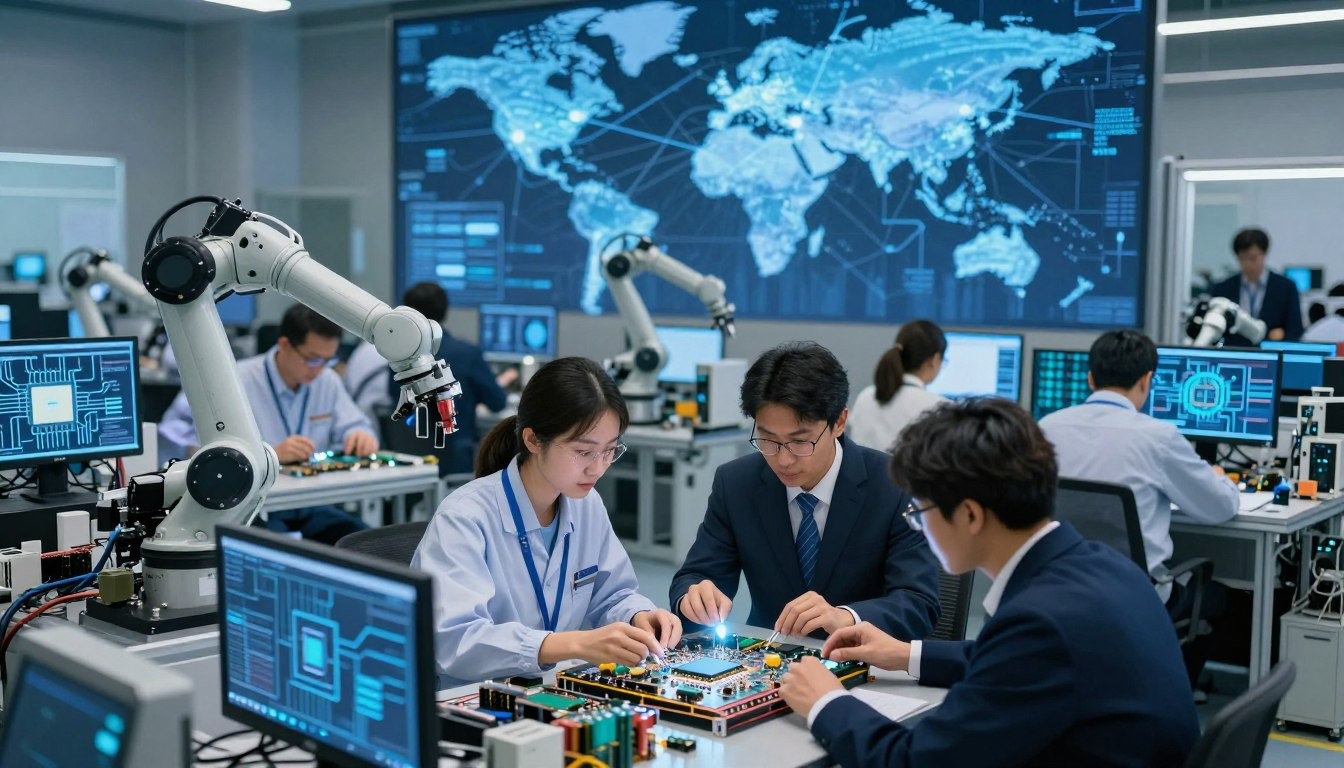
Semiconductors are the brain of modern electronics, powering everything from smartphones to military systems. They are at the center of trade disputes. Major economies are spending billions to produce these components locally, reducing foreign reliance.
This fierce competition for technological supremacy makes navigating regulations complex. When access to high-end chips is limited, global innovation slows. Here are key reasons why this industry is so contentious:
- High barriers to entry for new manufacturing facilities.
- Concentration of advanced lithography equipment in specific regions.
- The critical need for specialized talent and intellectual property.
- Integration of chips into national defense and artificial intelligence.
Export Controls on Emerging Technologies
Governments use export controls to block the transfer of sensitive tech to rivals. By limiting the sale of hardware and software, they aim to stay ahead in fields like quantum computing and robotics. They say this is to protect national security.
But these controls fragment the global research and development landscape. As economic powers clash, innovation costs will likely increase for all. Collaboration is being replaced by isolation, which may slow breakthroughs.
The control of the semiconductor supply chain is the new frontier of global influence, determining which nations will lead the digital age.
The push for technological sovereignty will change international business. While these policies protect domestic industries, they risk creating disconnected tech ecosystems. We must watch how these barriers evolve to grasp the future of global progress.
Geopolitical Implications of Economic Decoupling
We’re seeing big changes in how countries work together. They’re choosing security over being efficient. This change is making the global economy very uncertain and changing its structure.
Security Concerns Over Critical Infrastructure
Now, countries see their key systems as a national security issue, not just for business. They fear using foreign suppliers for critical infrastructure could be risky. This worry is big in areas like energy, communications, and data networks.
By keeping these areas for themselves, countries aim to avoid sabotage or spying. But, this makes things more expensive and slows down new tech. We see this in strict checks and some vendors being banned from projects.
The Risk of Economic Blocs and Market Isolation
Decoupling could split the world into different economic groups. This could hurt global growth and stability. Markets becoming isolated means we lose the benefits of the past few decades.
This change brings big risks. Here are some dangers of market isolation:
- Reduced Innovation: Less teamwork between countries means fewer new tech ideas.
- Supply Chain Fragility: Smaller supply chains are more likely to face problems.
- Increased Geopolitical Tension: Economic rivalry can lead to more diplomatic and military issues.
- Higher Consumer Costs: Without competition, prices go up, hurting people’s wallets.
While self-reliance might feel safer, it could also make the global economy less prosperous. We need to think hard about the trade-offs. Finding the right balance is a big challenge for today’s leaders.
Future Outlook for International Trade Negotiations
International trade needs a big change in how big countries work together. We think it’s key to stop acting alone to make the world economy strong again. By focusing on stability, countries can fix the problems in the world economy.
Potential Pathways to De-escalation
Creating incremental trade agreements is a smart move. These deals focus on small, safe areas first. This way, countries can start to trust each other more. It’s a step towards bigger cooperation without big changes in trade policies.
Being open is also crucial. When countries share their goals clearly, they avoid misunderstandings that lead to international trade disputes. Regular talks can stop small issues from becoming big problems.
The Role of Diplomacy in Resolving Disputes
Diplomacy is key in today’s trade negotiations. Leaders can talk directly and find solutions that work for everyone. Talking regularly is the best way to find common ground between different interests.
Also, making multilateral forums stronger helps a lot. These groups help countries follow global trade policies. This makes the business world more stable. In the end, finding common ground is the best way to keep the global trade system together and ensure everyone’s success.
Conclusion
Global markets are at a turning point as countries change their economic focus. The smooth flow of goods and services is under threat from protectionist moves. This affects big companies like Apple and Intel, which have to navigate complex supply chains.
The push for national security clashes with the need for open markets. Leaders need to find a middle ground. This balance is crucial for protecting home industries while keeping the economy innovative.
Strategic teamwork is key to handling these ongoing trade disputes. Clear talks between major countries can stop markets from breaking apart. Businesses must be ready to adapt and form local partnerships to thrive in this new world.
We urge you to keep an eye on these changes. The world is searching for a way to stabilize its markets.
FAQ
What exactly defines the modern trade wars we are currently witnessing?
Modern trade wars are intense economic conflicts. They happen when countries use tariffs and trade policies to get ahead. Unlike old times, today’s conflicts involve protectionism. Nations like the U.S. and China use strong measures to protect their industries and resources.
How do tariffs function as tools in current international trade disputes?
Tariffs are used as economic weapons in trade disputes. They make foreign goods more expensive. This is meant to boost domestic production and sales. But, it often leads to higher costs for businesses and disrupts global supply chains.
Why is there a significant shift toward protectionism in the global economy?
The shift to protectionism is about national security and economic freedom. Big countries want to control their own supply chains and protect their industries. This move makes the global economy more fragmented, leading to more trade disputes than agreements.
Are traditional trade agreements and the World Trade Organization still effective?
The World Trade Organization’s power is being challenged. Many countries are now making bilateral deals instead of relying on the WTO. This approach helps secure their interests but makes the global trading system more complex.
How do these trade policies directly affect the American consumer?
Trade policies lead to higher prices for American consumers. Tariffs increase the cost of goods, which retailers pass on to customers. This causes inflation. Workers in export-dependent sectors also face job uncertainty due to trade restrictions.
What are nearshoring and friendshoring in the context of current trade tensions?
Nearshoring and friendshoring are strategies to avoid supply chain disruptions. Companies move production closer to home or to friendly countries. This makes their supply chains more resilient against trade and geopolitical risks.
Why is the battle for technological sovereignty central to modern trade conflicts?
The fight for technological sovereignty is crucial for economic and national security. Nations control the export of key technologies like semiconductors and AI. This protects their innovation edge and prevents competitors from gaining an advantage.
Is there a path forward for trade negotiations to de-escalate these tensions?
The future of trade talks will depend on diplomacy and recognizing economic ties. Finding common ground on issues like green energy and digital trade could ease tensions. This could help stabilize the global economy and reduce protectionist clashes.











Post Comment