
Nations Strengthen Disease Surveillance After Ebola Concerns
We are seeing a big change in how the world gets ready for viruses. It’s clear that finding viruses early is key to keeping us safe.
Now, nations strengthen disease surveillance after ebola concerns to make sure we can act fast and well. By using new monitoring tools, we can spot outbreaks sooner. This helps stop big problems before they start.
Public Health
World bodies and countries are focusing on proactive initiatives to protect us. They’re working on sharing data better and improving diagnostic tools. These efforts are crucial for our Public Health today. We think these strong systems will be our main defense against future health threats.
Key Takeaways
- Global monitoring systems are getting a big upgrade to catch viruses early.
- Being able to respond quickly is now a big goal for global groups.
- Sharing data between countries is key to stopping virus outbreaks.
- Investing in new diagnostic tech helps find threats before they spread.
- Proactive plans are replacing old ways to keep us safe for the long run.
The Current Landscape of Global Health Security
Recent health crises have made us rethink public health globally. We’re looking at weaknesses that let outbreaks grow too big. By fixing these gaps, we can protect against future threats.
Lessons Learned from Recent Ebola Outbreaks
Recent Ebola outbreaks showed big problems in our emergency response protocols. We found that bad communication slowed down help getting to where it was needed. This showed how important teamwork is for global health.
“The greatest danger in times of turbulence is not the turbulence; it is to act with yesterday’s logic.”
Peter Drucker
We’ve learned that local health systems need to be strong. Relying only on outside help isn’t enough anymore. We must build strong local systems that can handle outbreaks on their own.
The Shift Toward Proactive Monitoring
We’re moving from reacting to outbreaks to being proactive. We’re using new tech to spot problems early. This way, we’re not just waiting for outbreaks to happen, but working to stop them.
With real-time data, we can spot disease patterns better. This forward-thinking approach is key for strong public health. We aim for early detection to be the norm, not the exception.
Public Health Infrastructure and Modern Surveillance
To build a strong Public Health system, we need to change how we handle data. We’re moving from old, paper-based systems to new digital ones. This change helps us spot outbreaks early, before they get worse.
Integrating Digital Tools in Disease Tracking
Using advanced digital tools has changed how we watch health trends. Mobile apps and cloud platforms let field workers send important info fast. This immediate access to data helps officials make quick, life-saving decisions.
Automated systems cut down on mistakes made by humans. They give us a clearer picture of how diseases spread. Using these tools makes our system faster and more effective at protecting people.
Challenges in Data Sharing Across Borders
Even with new tech, sharing data between countries is still hard. Laws and worries about who owns the data slow things down. We need to fix these structural barriers so data can flow freely in emergencies.
Different systems in each country make sharing data hard. We must standardize our systems for easy sharing across borders. By working together and being open, we can beat these challenges and keep everyone safer.
Enhancing Laboratory Capabilities for Rapid Detection
Strong laboratory setups are key for fighting diseases. As nations strengthen disease surveillance after ebola concerns, they focus on better diagnostic systems. Quality testing is crucial to stop diseases from spreading fast.
Investing in Diagnostic Technologies
Today’s diagnostic tools can spot viruses quickly and accurately. Upgrading our gear cuts down the time to confirm a diagnosis. This speed is key to stopping outbreaks early.
We’re putting portable molecular testing units in various places. These advanced technologies help even small labs do complex tests. This is vital as nations improve disease tracking after ebola to keep everyone safe.
Training Local Personnel for Field Testing
Technology isn’t enough; we need skilled people too. Training locals for field testing helps reach remote areas. Empowered local teams can be the first line of defense in their communities.
Our training includes hands-on workshops on collecting and processing samples. This builds local skills, making our efforts sustainable. A human-centric approach is vital for building trust and readiness worldwide.
Strengthening Community Health Engagement
Effective disease surveillance needs the help of people living in our Community Health networks. When citizens feel informed and valued, they become our best allies in spotting health threats early.
By focusing on Health Promotion, we teach people their part in keeping us safe. This makes them active helpers in stopping infectious diseases from spreading.
Building Trust Through Transparent Communication
Trust is key to a good public health plan. Open talks about risks and plans help reduce fear and get the public to work with us.
“Trust is the glue of life. It’s the most essential ingredient in effective communication. It’s the foundational principle that holds all relationships.”
Stephen Covey
We need to share clear, steady info to keep trust during outbreaks. Being open keeps our Community Health efforts strong, even when things get tough.
Empowering Local Leaders in Early Warning Systems
Local leaders are often the first to help during a crisis. Giving them the right tools makes a grassroots layer of defense that’s strong and quick to act.
These leaders know their neighborhoods well, helping us promote health better. Letting them handle early warning systems helps us spot problems sooner than big systems can.
This way of working is a vital part of our safety. When local leaders lead, our whole system gets stronger and more flexible.
The Role of International Cooperation in Epidemiology
International cooperation is key to fighting health threats together. It builds a strong foundation for Global Health security. This way, we can tackle the challenges of epidemiology faster and more accurately.
Collaborative Frameworks Between Nations
Sharing resources and knowledge is crucial in crises. When countries team up, they can tackle big problems together. This partnership ensures vital information gets to those who need it.
Working together brings many benefits:
- Rapid resource mobilization during sudden outbreaks.
- Access to specialized medical research and data.
- Coordinated logistical support for field operations.
- Shared training programs to improve local response capabilities.
Standardizing Reporting Protocols
Consistent data collection is vital for epidemiology. If countries track diseases differently, we miss the big picture. We need universal standards to keep information useful everywhere.
Standard protocols help us understand data fast and right. This clarity leads to better decisions for global health. By using the same language, we fight better against diseases.
Preventive Healthcare Strategies for Emerging Pathogens
To fight future health threats, we need to focus on preventive healthcare. Early action can greatly lessen the harm from new pathogens. Our goal is to stay ahead of health crises.
Vaccination Programs and Strategic Stockpiling
Vaccines are key in fighting infectious diseases. We must be ready to make more vaccines fast when needed. This helps keep people safe before a big problem starts.
Having enough medical supplies is also crucial. It helps our healthcare systems handle sudden needs. These supplies give us time to get ready.
Environmental Monitoring and Zoonotic Surveillance
Many health threats start in animals before reaching humans. We’re using new ways to watch animal health and ecosystems. This helps us spot potential spillover events early.
Zoonotic surveillance is also important. We work with researchers to watch areas where animals and people meet often. This lets us stop dangerous pathogens early.
Healthcare Policy Reforms and Funding Priorities
To make sure nations strengthen disease surveillance after Ebola concerns, we need to focus on steady funding and strong policy changes. Today’s healthcare policy often waits until a crisis hits. We think it’s key to move to a proactive approach for lasting stability.
Allocating Resources for Sustainable Surveillance
We should stop the cycle of panic and neglect in global health funding. By setting up permanent budget lines for surveillance, we can keep the needed infrastructure ready. This way, our tools and team are always ready to go.
Investing in a sustainable way means staff training and lab equipment upkeep never stop. Seeing surveillance as a foundational necessity cuts down outbreak risks. This financial commitment is crucial for a strong public health system.
Legislative Changes to Support Rapid Response
Good healthcare policy needs more than money; it needs clear laws. We need laws that let our institutions act fast when a threat is found. These laws should make quick decisions possible, avoiding delays.
Updating our laws helps agencies share data and resources without trouble. By setting up clear protocols for emergencies, leaders can better protect us. These changes are essential for quick and effective responses.
Advancing Public Health Research and Innovation
Research breakthroughs give us strong tools to fight pathogens. By using cutting-edge technology, we can change how we face Public Health threats. These new tools help us move from just reacting to being proactive.
Utilizing Artificial Intelligence for Predictive Modeling
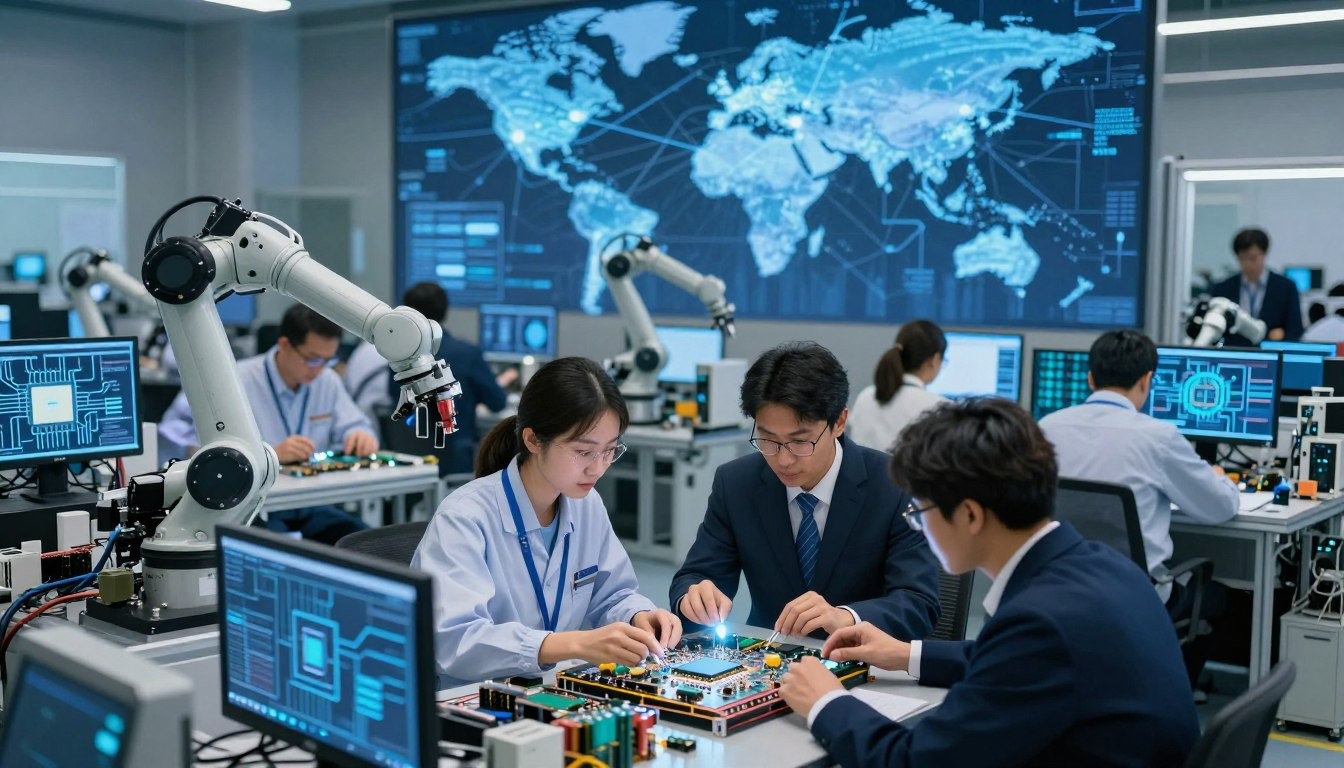
We use artificial intelligence to predict disease paths with unprecedented accuracy. These models look at huge datasets to find patterns we might miss. This way, we can plan better where to send help.
This tech is like an early warning system for us all. It lets us try out different scenarios before we act. Data-driven insights are key to keeping us safe.
Genomic Sequencing in Real-Time Outbreak Analysis
Today’s Public Health Research depends on fast genomic sequencing. This method gives us detailed data on viral changes as they happen. Knowing a virus’s genetic makeup helps us make better tests and treatments.
Quickly finding specific mutations lets us adjust our plans right away. This precision is crucial for stopping new diseases. Rapid analysis keeps our response as quick as the viruses we fight.
Health Education and Workforce Development
Investing in our human capital is key to a strong future for global health. By focusing on comprehensive health education, we keep our systems ready for change. A well-trained workforce is our first line of defense against new health threats.
Curriculum Updates for Future Epidemiologists
The field of epidemiology is changing fast, thanks to new tech and environmental shifts. We need to update school programs to include training in data analysis and genomic surveillance. These skills help the next generation spot problems early.
Hands-on experience is crucial for this training. We push for partnerships between schools and health agencies. This way, students get real-world experience in managing outbreaks. Real-world application prepares them to tackle today’s disease challenges right away.
Public Awareness Campaigns on Disease Prevention
Teaching people to protect themselves is crucial for Community Health. We make complex health info simple and useful for everyone. Our health education teaches the public about hygiene, vaccines, and reporting symptoms early.
Good Health Promotion needs clear info and trust. We use local leaders to spread the word, reaching more people. When people know and can act, they help keep their communities safe.
Addressing Vulnerabilities in Global Supply Chains
The last major health emergency showed us how fragile international logistics are. Essential resources quickly disappeared, making it hard for healthcare systems to keep up. Now, making these networks stronger is a key focus for Global Health efforts everywhere.
Securing Medical Equipment and Personal Protective Gear
To avoid future shortages, we need to stock up on critical medical gear. The old just-in-time delivery model failed when borders shut and production slowed. Now, countries are investing in making things at home to keep personal protective gear flowing.
Creating a strong stockpile needs a few key steps. Here’s how we can keep our frontline workers safe:
- Setting up regional warehouses to spread out storage.
- Finding more than one supplier to avoid relying on just one.
- Using automated inventory tracking to keep an eye on stock levels always.
Logistical Improvements for Rapid Deployment
Getting life-saving items around the world fast is more than just having them ready. We need smart systems that can get past obstacles and deal with complex rules. Making Global Health safer means getting these items to where they’re needed quickly and accurately.
Updating our transport systems is key for fast action. With advanced data analytics, we can spot problems before they get big. This way, medical gear gets to where it’s most needed without delay.
In the end, we aim for a network that’s smooth, clear, and quick to respond. Investing in these upgrades helps build a strong base for Global Health. It also keeps our communities safe from future health crises.
Conclusion
Global health security relies on quick and precise responses to new challenges. We must focus on Preventive Healthcare to stop outbreaks early. This approach protects communities and saves countless lives.
Effective Healthcare Policy is key to these safety efforts. Governments and global bodies must work together to support quick response teams. Clear rules help ensure resources go where they’re needed most during emergencies.
Public Health Research drives the creation of new diagnostic and treatment tools. These tools help track diseases more accurately than ever. They turn data into useful information for doctors.
Health Education empowers people to care for their health. Informed individuals are the first line of defense in health crises. We’re committed to sharing knowledge that makes the world safer for all.
Our combined efforts build a stronger defense against future threats. We encourage you to stay updated on these important issues. Together, we can ensure a healthier future for everyone.
FAQ
Why is it imperative that nations strengthen disease surveillance after Ebola concerns emerged?
We’ve learned that waiting for outbreaks to happen is too late. Strengthening disease surveillance early helps us catch problems before they spread. This proactive approach keeps us safe and saves lives by stopping outbreaks fast.
How does modern public health research contribute to preventing future outbreaks?
Today’s research uses new tools like artificial intelligence and genomic sequencing. These help us track viruses in real-time. This data is key for the WHO to make quick, informed decisions.
What role does community health play in a robust surveillance network?
Community health is crucial for effective monitoring. Building trust and empowering local leaders helps us work together. This grassroots approach makes our surveillance network strong and responsive.
How are we evolving preventive healthcare strategies to manage emerging pathogens?
We’re now focusing on tracking animal diseases and monitoring the environment. This helps us catch threats early. We’re also preparing for emergencies by stockpiling supplies and improving vaccination programs.
What specific healthcare policy reforms are needed to support long-term monitoring?
We need policies that support public health without panic or neglect. This means stable funding and clear response plans. These reforms will help us act quickly and effectively when needed.
How does epidemiology benefit from international cooperation and standardized reporting?
Epidemiology needs global data sharing. We’re working on frameworks and protocols for fast, accurate information exchange. This cooperation helps us tackle the challenges of sharing data across borders.
Why is health education and workforce development a priority for us?
A strong health system needs skilled people. We’re updating education and launching campaigns to empower everyone. This ensures we have the experts needed to face today’s health challenges.









Post Comment