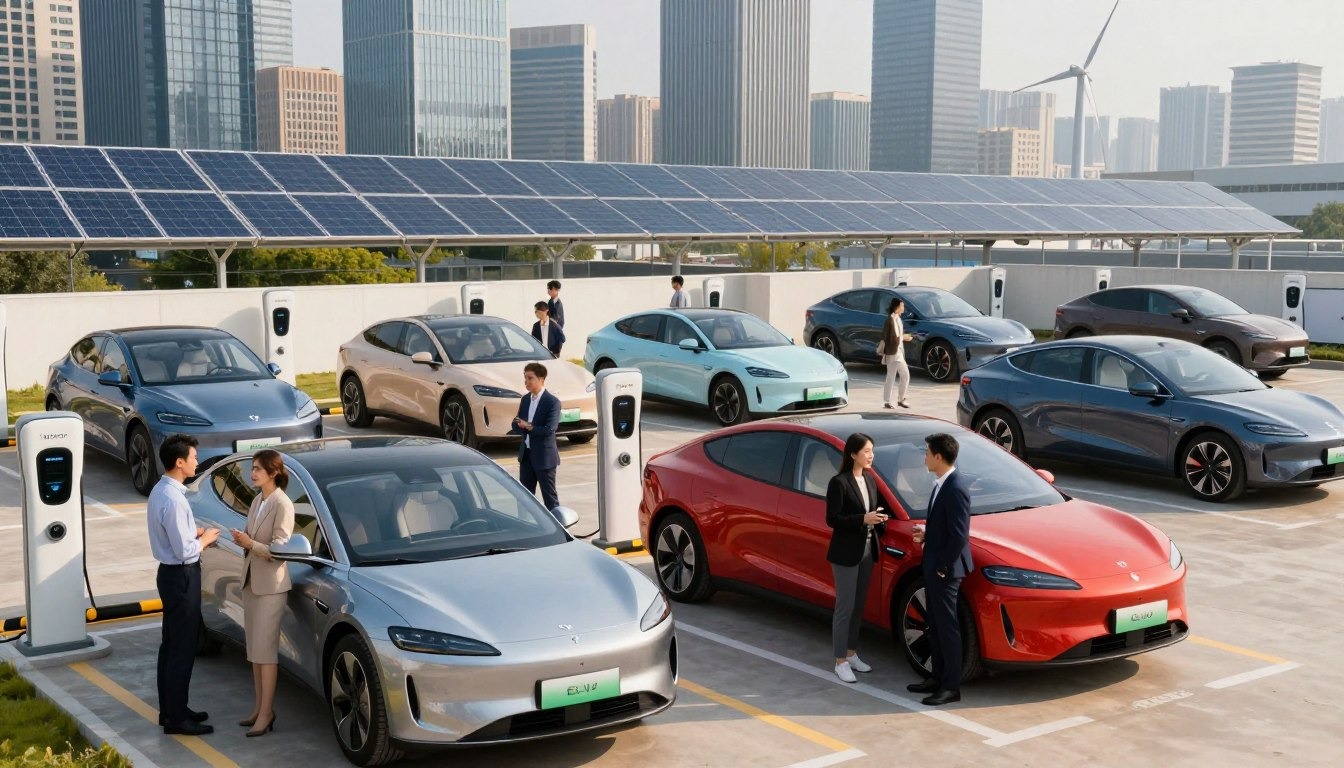
EV Market Expansion Accelerates Across Major Economies
We are in a transformative era for cars. The world is moving fast toward using sustainable power. This change is making a big difference in how we travel.
As ev market expansion accelerates across major economies, countries are focusing on clean energy. They aim to meet big climate goals. This shift is not just a trend; it’s a big change in how we move around.
Electric Vehicles
It’s key to understand these changes for the future. By looking at the early signs, we can see how Electric Vehicles will change our world.
We want to give you a clear view of this change. We’ll look at what’s driving it and set the stage for a detailed look at the car industry’s future.
Key Takeaways
- Global car markets are quickly moving to sustainable energy.
- Big countries are making policy changes for cleaner cars.
- The move to new energy sources is a big change, not just a trend.
- Building new infrastructure is key to market growth.
- Knowing these changes helps us get ready for a future with new ways of moving.
The Current State of Global Electric Vehicles Adoption
We’re seeing a big change in how we travel every day. Electric Vehicles are becoming a common choice for many families. This shift is changing the car industry for the better.
Surging Sales Figures in North America and Europe
Electric vehicle adoption is soaring in Western countries. People are picking electric cars over gas ones because they’re more available and work better. Here are some key points:
- Electric cars are gaining more market share in Europe every year.
- There are more evs for buyers in North America.
- Big car makers are making more electric cars to meet demand.
This growth is not just a short-term trend. It shows a lasting change in the market. As more charging spots are built, we expect even more people to choose electric cars.
Shifting Consumer Sentiment Toward Sustainable Transportation
There’s a big shift toward sustainable transportation. Today’s buyers want cars that are good for the planet, cost-effective, and high-tech. This shift is why evs are becoming more popular.
“The transition to electric mobility is fundamentally changing how we perceive the relationship between our daily travel and the health of our planet.”
— Industry Analyst
Many families now see Electric Vehicles as the best choice for them. By choosing sustainable transportation, drivers can lower their carbon footprint. They also get a smoother, quieter ride. This shows that choosing electric vehicle adoption is a sign of being a responsible, modern consumer.
Government Policy and the Push for Zero-Emission Vehicles
Government actions are key to making cleaner cars common. They set rules that help car makers and buyers choose zero-emission vehicles. These rules make investing in green tech less risky.
Federal Tax Credits and Incentives in the United States
In the U.S., laws help make eco-friendly cars affordable for families. The government offers electric vehicle incentives to lower the cost. This makes it easier for people to switch from old cars to new ones.
These programs offer big benefits, including:
- Direct tax credits that cut down the cost of owning a car.
- Grants for installing home charging stations.
- Support for making batteries in the U.S.
- Tax breaks for companies switching to electric cars.
European Union Emission Standards and Regulatory Pressure
In Europe, the EU has strict rules on car emissions. These rules push car makers to make more electric cars fast. They do this to avoid big fines.
This strict environment makes the market stable. It pairs electric vehicle incentives with rules for more charging stations. The EU’s deadlines for old cars help keep the focus on new tech. We think this mix is crucial for meeting climate goals.
Advancements in Electric Vehicle Technology
We are in a new era where engineering breakthroughs change our daily commute. Electric vehicle technology is leading this change, making electric cars more affordable and practical for everyone.
Next-Generation Battery Chemistry and Energy Density
The heart of any car is its battery. Recent battery chemistry advancements are remarkable. They allow for more power in smaller, lighter batteries.
This means Electric Vehicles can go much further without needing to charge. It’s a big step towards making electric cars a common choice.
Engineers are working on solid-state batteries and silicon-anode materials. These could make electric cars even better. They aim to reduce the time spent charging and increase the time on the road.
Improvements in Powertrain Efficiency and Range
There’s also big progress in how energy turns into motion. Modern powertrains use energy more efficiently. This means every watt of electricity is used well.
These changes help Electric Vehicles go further and drive smoother. They offer a driving experience that’s as good as traditional cars. As we keep improving electric vehicle technology, electric cars become a more appealing choice for many.
Scaling Electric Vehicle Charging Infrastructure
Creating a strong electric vehicle charging infrastructure is key to our move to green transport. The network’s availability and reliability are crucial. We need to make sure all drivers can find a place to charge, whether in cities or rural areas.
Public Charging Network Expansion Strategies
We’re seeing a big push to add chargers in busy spots. Governments and companies are teaming up to put them in malls, garages, and apartments. This collaborative effort makes it easier for people to own evs without a home charger.
In rural areas, we focus on adding chargers along main roads. This encourages chargers in smaller towns, connecting them to bigger cities. It ensures drivers can travel without worry, even in less populated places.
The Role of Fast-Charging Stations in Long-Distance Travel
Fast-charging stations are vital for long trips. They charge batteries quickly, making travel fast and convenient. Reliable fast-charging helps overcome the fear of running out of power on the road.
We’re focusing on putting these stations along highways. This creates a network of fast chargers, giving drivers the convenience they expect. A solid electric vehicle charging infrastructure shows that evs can handle any journey, no matter the distance.
Automotive Industry Pivot Toward Electric Platforms
The world of cars is changing fast as companies switch to electric power. This move is not just about new fuel; it’s a total rethink of electric vehicle technology and how cars are made. We’re seeing a big change in how cars are designed and built.
Legacy Manufacturers Transitioning from Internal Combustion
Big car companies are facing big challenges as they leave behind old engines. They need to spend billions to update their factories and manage complex supply chains. This change requires a fundamental change in skills and training for workers.
To stay ahead, these big names are focusing on a few key areas:
- Creating special platforms for electric cars.
- Changing old assembly lines to fit new batteries.
- Building strong partnerships for materials.
- Investing in new software for cars.
New Market Entrants and Disruptive Business Models
New companies are shaking things up with fresh ideas. They start from scratch, focusing on the latest electric vehicle technology. This lets them move faster than old companies.
These newcomers sell directly to customers, skipping the old dealership model. This way, they control the customer experience and get useful data. Agility is their key to success in a fast-changing market.
The battle between old and new companies is driving innovation. As both sides improve, customers get more choices. This competition keeps the future of cars focused on being better and greener.
Supply Chain Resilience and Raw Material Sourcing
The electric vehicle industry’s success relies on a stable supply chain. As we move toward a cleaner future, the need for high-performance batteries grows fast.
This increased demand puts a lot of pressure on getting essential minerals. Without a steady supply, moving to sustainable transport could be delayed.
Securing Lithium, Cobalt, and Nickel Supplies
Battery making needs critical raw materials found in few places. Lithium, cobalt, and nickel are key for energy storage.
Companies are teaming up with mining firms to get these resources. They sign long-term deals to avoid market ups and downs.
It’s also important to find different sources for these materials. Relying on one area can cause big problems for everyone.
Domestic Manufacturing Initiatives and Localized Production
Nations are focusing on making things at home to reduce risks. Local production cuts down on shipping troubles and political issues.
Government support is helping build battery factories in their countries. This makes the supply chain stronger against outside problems.
Setting up local processing helps refine materials better. It makes the path from mine to factory shorter and more sustainable and secure for electric cars.
Economic Impacts of the Transition to Electric Cars
The move to electric cars is changing the economy. It’s boosting growth in many industries. Knowing the electric vehicle benefits helps us see how our transportation is evolving.
Job Creation in the Green Energy Sector
The shift to evs is creating a big need for skilled workers. New jobs are popping up in battery making, software, and charging network setup. This change is not just replacing jobs but also opening up new paths in green tech.
As we build more charging stations, we need many technicians. This job growth is creating stable, local jobs. These jobs help our economy grow without relying on other countries.
“The transition to clean energy is the greatest economic opportunity of our time, promising to revitalize our manufacturing base and create millions of high-quality jobs.”
Reducing Long-Term Operational Costs for Consumers
Switching to electric cars saves money for most drivers. The cost of owning an ev is often less than a gas car. This is because evs have simpler designs that need less upkeep.
Here are some ways electric cars save money:
- Lower fuel costs: Electricity is cheaper than gasoline per mile.
- Reduced maintenance: With fewer parts, there’s less need for repairs.
- Tax incentives: Government programs help lower the car’s initial cost.
These savings let families spend money on other important things. By making electric cars more affordable, we help more people enjoy the benefits of modern transportation.
Overcoming Barriers to Mass Market Adoption
To move beyond early adopters, we must tackle big issues that hold back electric cars. The tech has improved a lot, but many drivers still have doubts. By finding out what’s holding them back, we can speed up electric vehicle adoption nationwide.
Addressing Range Anxiety and Charging Convenience
Range anxiety is a big worry for many. They fear running out of power on long trips. To fix this, car makers are using better batteries that last longer.
Also, there’s a big push to build more electric vehicle charging infrastructure. High-speed chargers are popping up along highways, making it quick to refuel. This is key to winning over more people.
Price Parity and the Need for Affordable Models
The high cost of new tech is a big barrier for many families. Making electric cars as affordable as gas cars is crucial. As more are made, the cost of batteries goes down, making electric cars more accessible.
Government help, like tax credits, helps make electric cars more affordable. By offering cheaper electric cars, manufacturers can attract more buyers. This variety will help more people switch to electric and improve our electric vehicle charging infrastructure.
Regional Market Analysis of EV Growth
The move to green mobility is happening at different speeds around the world. Each area faces its own challenges and opportunities. By looking at these differences, we understand how evs are changing the car industry worldwide.
China’s Dominance in Production and Domestic Sales
China is leading the way in electric cars. It has a huge factory base and a big market. This makes it a role model for others.
China’s success comes from early and strong electric vehicle incentives. These helped both car makers and buyers to go electric.
“The scale of production in China has fundamentally altered the cost structure of battery-powered transportation, making it a model for global industrial strategy.”
Several things help China lead the market:
- Big investments in battery supply chains.
- Smart use of electric vehicle incentives for buyers.
- Fast growth of urban charging networks.
Emerging Markets and the Potential for Rapid Electrification
New markets are also important for evs. These countries can skip old car tech and go straight to electric. This saves them from big costs for fuel stations.
These areas have a lot of room to grow. If they focus on green energy, we’ll see more electric cars. This change will make the car world look very different.
Environmental Benefits and Sustainability Goals
We need to change the transportation sector to zero-emission vehicles to meet global climate goals. The main reason is to cut down carbon emissions quickly. By choosing sustainable transportation, we can lessen climate change’s effects on our communities.
Reducing Carbon Footprints Through Fleet Electrification
Fleet electrification is key for cities and big companies to lessen their environmental harm. Switching to electric cars cuts down greenhouse gas emissions right away. This shows they care about the planet and want cleaner air.
Cities are also making a big change by using electric buses and trucks. These electric vehicle benefits help make cities quieter and healthier. It’s a big step toward better living conditions for all.
Integrating Renewable Energy Sources with Charging Grids
The future of clean transport depends on working together with the power grid. We’re looking into using solar and wind power for charging. This makes sure our zero-emission vehicles run on as clean energy as possible.
Smart charging helps manage the grid’s load by using energy when it’s most available. By charging when the sun or wind is strong, we make our sustainable transportation more efficient. This is crucial for reaching our global goals and securing a green energy future.
Conclusion
The move to electric cars is a complex journey. It needs technology, policy, and economic strategy to work together. As countries focus on cleaner transport, electric vehicles are becoming more popular.
Big names like Tesla and Ford are teaming up to build a strong electric car network. Their work is crucial for making electric cars accessible to everyone. This partnership is key to overcoming the last challenges.
Our shared goal is to make electric cars the norm. This will help the environment for years to come. We’re excited to see how electric cars will change the world. Share your thoughts on electric vehicles with us as we follow these exciting changes.
FAQ
Why is it that the ev market expansion accelerates across major economies at such a rapid pace today?
Today, we see a perfect storm of factors driving the electric vehicle market forward. Governments in the U.S., China, and the EU are pushing for cleaner cars. This means big car makers like Ford, General Motors, and Volkswagen must focus on making zero-emission vehicles.
What are the primary electric vehicle benefits for the average consumer?
Switching to electric cars cuts down on long-term costs. They need less maintenance than gas cars. Plus, electricity is cheaper than gas, making daily driving more affordable.
How are electric vehicle incentives helping to increase electric vehicle adoption?
Incentives make sustainable transportation more accessible. In the U.S., the Inflation Reduction Act offers up to $7,500 for new electric cars. State rebates and utility perks also lower the cost, encouraging more people to switch.
What is being done to improve the electric vehicle charging infrastructure for long trips?
We’re building fast-charging networks to ease range worries. Tesla is opening its Supercharger network to others. Companies like Electrify America and ChargePoint are adding stations along highways. These stations charge cars quickly, like getting a coffee.
How does modern electric vehicle technology improve battery life and performance?
We’re moving to better battery types, like Lithium Iron Phosphate (LFP). Brands like Hyundai and Lucid Motors are using 800-volt systems for faster charging. These updates make electric vehicles more reliable and powerful.
What role do zero-emission vehicles play in global sustainability goals?
A: Zero-emission vehicles are key to fighting climate change. They cut down on emissions, making our transportation cleaner. As we use more renewable energy, driving electric cars gets even greener.
How are we ensuring a stable supply of materials for electric vehicles?
We’re working on reliable supply chains for key minerals like lithium and cobalt. Projects like the BlueOval SK Battery Park in Kentucky aim to make production local. This reduces reliance on international markets and creates jobs in green energy.












Post Comment