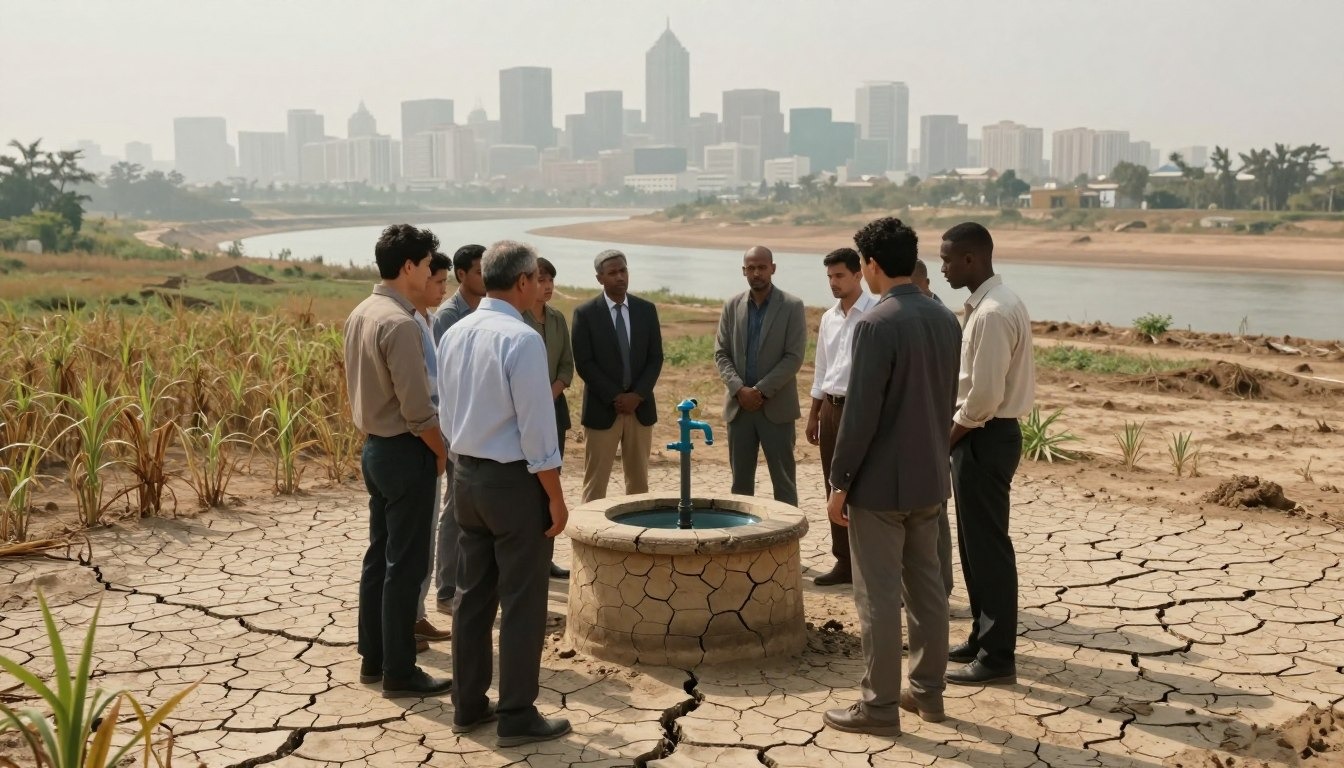
Growing Water Shortages Threaten Millions Around the World
Right now, the basic need of life is getting harder for many people. Growing water shortages threaten millions around the world. This is a serious issue that needs our urgent action. It’s not just a problem for the future; it’s a danger we face today.
Water Crisis
This article looks at why water is becoming scarce. We talk about climate change, industrial effects, and policy failures. We must understand that our future depends on solving these problems now.
Key Takeaways
- Global populations face unprecedented access challenges to essential resources.
- Climate change acts as a primary driver for regional instability.
- Industrial practices significantly impact the availability of clean supplies.
- Policy failures often exacerbate the severity of local scarcity.
- Future stability relies on proactive management and sustainable solutions.
The Escalating Global Water Crisis
Across the globe, the balance between human needs and nature’s supply is breaking down. The demand for fresh water is now higher than the earth can replenish. This Global Water Crisis is real and urgent, needing our quick action.
Defining the Current State of Global Scarcity
Water scarcity has grown from a local issue to a global problem. We’re taking water from underground faster than it can be replaced. This imbalance threatens every continent.
“Water is the driving force of all nature. Without it, the very foundation of our civilization begins to crumble.”
The situation is serious, with growing water shortages threatening millions worldwide. It’s not just about dry weather. It’s a clash between our use of water and the planet’s limits.
Why Our Current Consumption Patterns Are Unsustainable
Our modern life depends heavily on water. From food to products, our use of water is huge. We’ve found three main areas where we use too much water:
- Industrial Production: Making things needs lots of water for cooling and chemicals.
- Agricultural Demands: Growing food for everyone uses the most water.
- Domestic Overuse: Fast-growing cities and old systems waste a lot of water.
These habits are taking a toll on our planet. If we keep ignoring water scarcity, we could harm our ecosystems forever. It’s time to change how we see and protect water.
Regional Hotspots and the State of Water Scarcity in the United States
The United States is facing a harsh reality in several key regions. We’re learning that growing water shortages threaten millions around the world, and our own country is not spared. By looking at specific hotspots, we can see the urgent need for better water management.
The Drying Colorado River Basin
The Colorado River is crucial for millions in the American Southwest. But, years of overuse and drought have strained it. We are witnessing a historic decline in reservoir levels that was once unthinkable.
“The Colorado River is the lifeblood of the American West, and its current state is a stark reminder that our water security is fragile.”
Groundwater Depletion in the American Midwest
Underneath our feet, a silent crisis is unfolding. The Ogallala Aquifer, vital for farming, is being drained fast. This water scarcity is a pressing issue for farmers who depend on it.
Impacts on Agricultural Productivity
Water loss affects our food supply. Unreliable irrigation harms rural economies. The Global Water Crisis ties directly to our food production. Without action, these losses will hurt our farming and future prosperity.
Climate Change as a Catalyst for Diminishing Resources
Climate change is changing how our planet manages its most precious resource. Environmental shifts make Water Scarcity worse, making it hard to refill our basins.
These changes upset the natural balance we’ve counted on for years. Looking ahead, we see these shifts as a permanent change to our global security.
Shifting Precipitation Patterns and Drought Cycles
Our weather patterns are becoming less predictable. When rain comes in short, intense bursts, the ground can’t soak it up well.
This leads to less water in underground aquifers and surface reservoirs. So, we face a growing Water Shortage that makes droughts last longer.
The Role of Rising Temperatures in Evaporation Rates
Rising temperatures cause more water to evaporate. As heat goes up, lakes, rivers, and reservoirs lose water faster significantly.
This means we lose surface water before it can be used. We’re losing our stored water to the air quickly, making the Water Scarcity crisis worse.
To tackle this Water Shortage, we must see that the environment is changing. Our ways of managing water must change too, to deal with these higher temperatures and lost water.
The Economic and Social Consequences of Water Insecurity
The lack of reliable water causes many problems, not just environmental ones. It affects our economy and society deeply. When we don’t have enough water, our communities and markets start to break down. This water crisis quietly threatens our wealth and stability.
Threats to Global Food Security
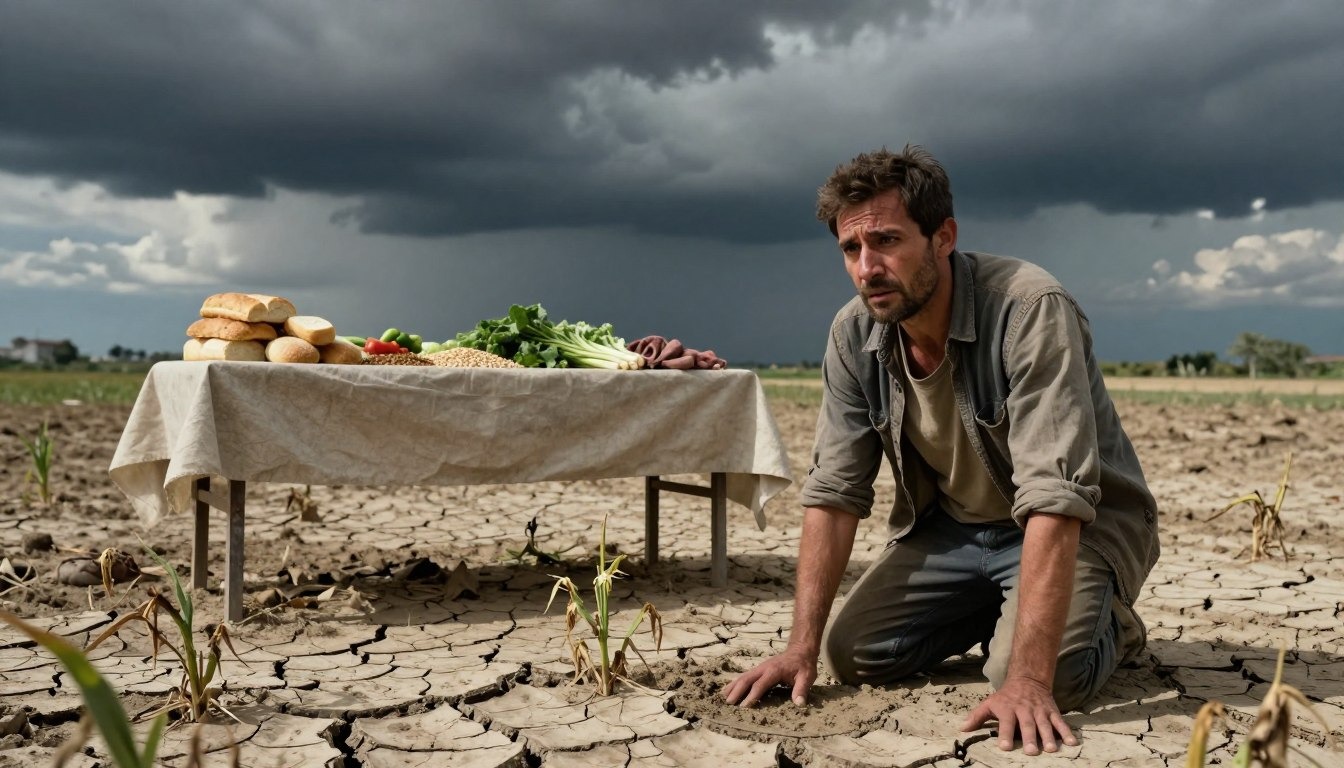
Agriculture uses the most water, so it’s hit hard when water is scarce. Droughts hurt crop yields, causing unpredictable market volatility. This makes food more expensive, hurting families worldwide.
This problem shakes the base of our food supply chain. Without enough water, farming’s productivity drops. We face higher food prices and possible shortages in our stores.
Public Health Risks Linked to Contaminated Supplies
Water scarcity means poor water quality too. When water levels drop, pollutants get more concentrated. This creates big health risks, especially from waterborne diseases.
Clean, safe water is a basic human right that’s being attacked. The deterioration of water quality forces people to use unsafe water. This leads to serious health problems. We must fix this to protect our health.
The Burden on Vulnerable Populations
Water shortages hit some groups harder than others. The poor can’t afford safe water or advanced filters. This deepens existing social inequities and puts the most vulnerable at risk.
We need to help these communities to avoid a big humanitarian crisis. Ensuring fair water access is a moral imperative. By fixing this, we can create a stronger future for all.
Industrial Pollution and the Degradation of Clean Water Access
Our ability to keep clean water access is under threat from industrial pollution. We often talk about water scarcity, but water quality is just as important. Industrial waste harms our local watersheds.
Chemical Runoff and Its Long-Term Effects
Factories and big farms dump harmful substances into our environment. This water pollution leaves a toxic mark that lasts for decades. It’s hard and costly to clean up once it’s in the ecosystem.
The damage shows up in sick fish and dirty drinking water. Long-term exposure to these pollutants is bad for people’s health. We need better rules to stop these pollutants from reaching our water.
The Challenge of Aging Infrastructure in Urban Centers
Our cities’ water systems are also facing big challenges. Many cities have old pipes and treatment plants from decades ago. These are prone to leaks and failures that let in pollutants.
Fixing this is a critical necessity for public safety. Without new investments, we risk not having safe water for millions. We must update our water systems to keep our clean water access safe.
Innovations in Sustainable Water Management and Conservation
Sustainable water management is now a must for our survival. We face growing pressure on our water sources. Science is key to meeting this challenge. By using advanced engineering, we can secure a reliable future for all.
Advancements in Desalination Technology
Desalination was once seen as too costly. But new tech is making it more affordable. Now, we have energy-efficient membranes that cut costs. These advancements let us use seawater, helping us during droughts.
Modern desalination offers many benefits:
- It uses less energy thanks to new systems.
- It harms marine life less during intake.
- It’s scalable for growing coastal cities.
Wastewater Recycling and Circular Water Economies
Adopting a circular water economy is crucial for Sustainable Water Use. We now see wastewater as a resource, not a problem. This change helps us use less fresh water and protect our aquifers.
Creating these systems needs a strong focus on Water Management. By recycling water for various uses, we form a closed loop. This is key to fight Water Pollution and keep Water Conservation standards high everywhere.
Policy Shifts and the Need for Global Cooperation
Water doesn’t respect borders, so we must work together to survive. The global water crisis is growing, and how we manage our resources is key. We can’t just rely on our own efforts anymore to use water sustainably worldwide.
International Agreements on Transboundary Water Rights
Many important rivers and aquifers span across countries. Without treaties, these resources can lead to conflicts instead of cooperation. Agreements help divide water fairly among nations.
These agreements aim to stop fights by setting clear rules and sharing data. When countries agree to open water management, they lower the chance of harm to others. This way, we can keep these resources safe for our kids and grandkids.
Federal Regulations and Local Water Governance
International deals are just the start. The real action happens at the federal and local levels. We need strong rules to stop water pollution and protect our water for drinking. Policies should make sure everyone is responsible for their impact on the environment.
Good governance means protecting resources at all levels. To ensure a secure future, we should focus on these key areas:
- Setting tighter limits on pollution from farms and factories.
- Upgrading old water systems in cities.
- Encouraging businesses to use water wisely.
- Letting local groups watch over groundwater.
Our success depends on strong rules and teamwork. By mixing local action with global efforts, we can create a better world. We must keep pushing for policies that see water as a precious, shared asset, not something we can use endlessly.
Community-Led Initiatives for Future Water Security
We think the future of water security begins in our own neighborhoods. National policies set the stage, but local actions drive real change against the Water Shortage crisis. By taking care of our local water, we build strength against environmental threats.
Empowering Local Watershed Protection Groups
Local watershed groups watch over our rivers, lakes, and underground water. They let people check water quality and fight for ecosystem protection. Supporting these groups means sustainable water use is a key part of local plans.
These groups spot pollution early, before governments can act. They organize clean-ups and track water flow, protecting our environment. Their efforts keep our water sources healthy for homes and farms.
Educational Programs for Responsible Water Usage
Learning is key to saving our water. We need to teach people and businesses to use less water. Workshops and campaigns can create a lasting Water Conservation culture.
“The protection of our water is not just a government responsibility; it is a shared duty that begins with the choices we make every single day.”
Good programs teach simple, effective ways to save water. Here are some community successes:
- Workshops on xeriscaping to cut down on outdoor water use.
- Rebates for businesses to install water-saving fixtures.
- Education for kids about the importance of clean water access.
Together, we can turn small actions into big changes. We must keep supporting these local efforts to keep our water safe and plentiful for all.
Conclusion
Our future depends on how we value our most precious resource. We need to go beyond quick fixes to lasting solutions for every community.
Effective Water Management is key to this change. By using smart tech and smart policies, we can cut waste and make our systems better. This helps us use what we have more efficiently, even as our population grows.
What we do at home and at work matters a lot. Saving water in our daily lives helps our local water sources. Making small changes can make a big difference when we all do it.
Keeping our water clean is essential for all of us. We need to invest in new ways to filter and distribute water. This ensures everyone has access to safe drinking water.
We can create a strong future by working together. Let’s take action and look out for each other’s water resources. Together, we can make a difference for everyone.
FAQ
Why is the global water crisis reaching a critical breaking point today?
Our water use is way too high, thanks to industry and farming. This has led to a big problem. We’re using up all our water too fast, causing a huge crisis.
In what ways do growing water shortages threaten millions around the world?
Water shortages hurt us in many ways. They make it hard to get food and can make people sick. Places like the Central Valley in California are struggling, making food prices go up.
How is water scarcity affecting the United States specifically?
The Colorado River Basin and the Midwest are facing big problems. Groundwater is running low, hurting farms. These areas show us how fragile our water situation is.
What role does water pollution play in reducing clean water access?
A: Water pollution makes our water dirty. It comes from chemicals and old pipes. We need to clean up the sources, like the Mississippi River, to keep our water safe.
How does climate change act as a catalyst for the global water crisis?
Climate change messes with our weather, making it harder to predict. It also makes water evaporate faster. Even places like Lake Mead can’t always provide water, making the crisis worse.
What strategies can we implement for better water management and sustainable water use?
We’re looking at new ways like desalination technology and wastewater recycling. These can help us use water better. We also need to support laws and agreements to protect our water.
Why is water conservation at the local level so important for our future?
Taking care of our watersheds is crucial. Local efforts and groups like the Waterkeeper Alliance are key. They help us save water and keep it clean for the future.









Post Comment